In an era where the majority of our time is spent indoors, the significance of breathing clean, fresh air cannot be overstated. Whether you're nestled at home or busy at work, the air that surrounds you plays a pivotal role in your well-being. Central to maintaining this pristine indoor air quality is the choice of the right filter for your system. Whether you have a PIV, MVHR or any other form of Heating, Ventilation, and Air Conditioning (HVAC), these systems, equipped with the proper filter, are your first line of defence against a variety of airborne pollutants, including dust, mould, pollen, and even microscopic bacteria. This comprehensive guide is designed to explain the world of air filter classifications and assist you in selecting the ideal filter grade to meet your specific environmental and health needs.

Understanding Air Filter Grades
G3/G4 Filters (ISO Coarse)
- Constructed from basic fiberglass or similar materials.
- Effective at trapping larger visible particles such as dust, hair, and particles up to around 10 microns in size.
- An economical choice for maintaining a moderately clean environment in homes or offices.
M5/M6 Filters (ISO ePM10)
- These filters are made from denser synthetic materials, capable of capturing finer microscopic particles.
- They excel at filtering out mould spores, pet dander, and pollen as small as 1 micron.
- Highly recommended for individuals with allergies or pet owners.
F7/F9 Filters (ISO ePM2.5)
- Utilize highly dense materials to capture extremely small particulate matter.
- Capable of removing more than 95% of smoke, bacteria, and viruses as small as 0.3 microns.
- Indispensable in environments requiring stringent air quality control, such as hospitals, laboratories, and food processing areas.
Navigating Filter Ratings
With advancements in our understanding of air quality, filter rating systems have been refined to offer a clearer picture of a filter's performance.
- EN 779 (Older Standard): Categorized filters into coarse (G), medium (M), and fine (F) classes, based on their efficiency at capturing a specified size of particle.
- ISO 16890 (Contemporary Standard): The ISO 16890 system is more nuanced and evaluates a filter's efficiency across a spectrum of particle sizes, including PM10, PM2.5, and PM1, providing a more accurate representation of its performance in real-world conditions. Filters are rated from basic “Coarse” up to “ISO ePM1” for superior filtration capability.
The Importance of Regular Maintenance
Choosing the right filter is only part of the solution. To ensure ongoing effectiveness, it is crucial to replace filters regularly. Over time, filters can become clogged with accumulated particles, diminishing their ability to clean the air. Experts typically recommend replacing residential HVAC and MVHR system filters every 6 to 12 months, though it's advisable to consult your system's manufacturer for specific guidance. Regular maintenance not only prolongs the life of your HVAC or MVHR system but also ensures sustained high-quality indoor air.
Having equipped yourself with the knowledge of different filter types, grades, and maintenance requirements, you can now make informed decisions that optimize the performance of your HVAC or MVHR system. This, in turn, guarantees that you and your loved ones can enjoy a healthier, fresher indoor environment.
Filters from Fastlec
At Fastlec, we've got you covered with our extensive range of filters, catering to both basic filtration needs and high-efficiency solutions. While filters are conveniently listed on our unit pages, our dedicated team of experts is also here to assist you in finding and selecting the perfect filter for your home or system. Don't hesitate to reach out via e-mail or phone, for personalized guidance tailored to your specific requirements.
01903 255424
In an era where the majority of our time is spent indoors, the significance of breathing clean, fresh air cannot be overstated. Whether you’re nestled at home or busy at work, the air that surrounds you plays a pivotal role in your well-being. Central to maintaining this pristine indoor air quality is the choice of […]
Hello, history buffs and fresh-air aficionados! Today, we're diving into the fascinating evolution of ventilation, from the breezy corridors of ancient civilizations to the high-tech systems keeping our modern spaces crisp and comfortable. So, grab a comfortable spot (preferably well-ventilated), and let's embark on this airy journey together.

Ancient Beginnings: When Nature Was the Architect
Our story begins in the ancient worlds of Egypt, Rome, and Persia, where the concept of ventilation wasn't a luxury—it was a necessity. The ingenious Egyptians, who, while constructing the pyramids, created ventilation shafts to circulate air inside these monumental tombs. These early airways ensured that even in the afterlife, the pharaohs could enjoy a breath of fresh air.
Meanwhile, the Romans, not to be outdone by their desert-dwelling contemporaries, introduced the world to the "hypocaust" system. This early form of central heating in wealthy Roman homes pushed hot air through spaces under the floors and within the walls, providing ventilation and a touch of warmth during those chilly Mediterranean winters.
And let's not forget about the wind catchers of ancient Persian architecture. These cleverly designed structures captured the cool breezes atop buildings and funnelled them into the living spaces below, providing respite from the scorching heat. It's fascinating to see how these early innovations harnessed natural forces to create comfortable living environments.

Shesh Badgir Windcatchers. Photo by Kaveh Parseh, CC BY-SA 4.0, via Wikimedia Commons.
Medieval to Renaissance: The Quest for Fresher Air
In the Medieval and Renaissance periods, architecture took a grand turn towards not just form and function, but also the incorporation of ventilation principles that provided comfort and a semblance of health safety. Buildings with large windows, such as those seen in Gothic cathedrals, allowed light to penetrate deep into interiors, reducing the reliance on combustion-based light sources and improving air quality.
However, it was during the Renaissance that we see a more scientific approach to ventilation. Architects like Leon Battista Alberti and engineers like Leonardo da Vinci began to consider the flow of air in their designs more deliberately. Da Vinci, with his insatiable curiosity, experimented with ways to manipulate air flow in buildings, though much of his work in this area remained theoretical.
One significant Renaissance advancement was the development of chimneys. While not a new invention, their widespread adoption during this period for smoke and fume extraction from buildings was a critical step forward in managing indoor air quality. This era laid the groundwork for understanding the importance of removing contaminated air, a principle that remains at the heart of modern ventilation systems.
At the end of the Renaissance emerged inventions that would lay the foundations for the shift towards mechanical ventilation. For example, looking at the hand operated fanning wheel by Dr. John Theophilus Desaguliers you can see the bones of what would become our modern ventilation solutions.
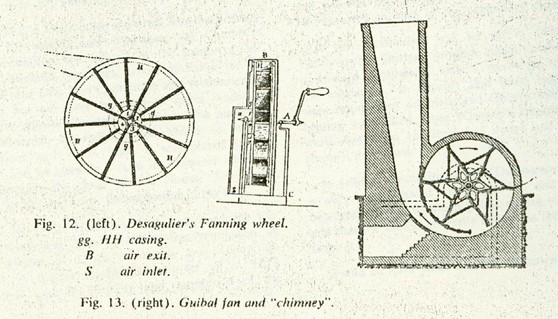
Unknown Author. John Desaguliers Paddle Wheel Fan, 1734, via SlidePlayer
Industrial Revolution: Mechanical Might
The Industrial Revolution was a crucible of innovation, reshaping societies and industries with its fiery forge of progress. Among the many transformations it heralded, the evolution of ventilation systems stands out as a pivotal shift, addressing the needs of burgeoning industries and urban centres.
In the mining sector, the introduction of steam-powered fans, marked a significant advancement, mitigating the dangers of explosive gases and enhancing miners' health by ensuring a constant flow of fresh air underground.
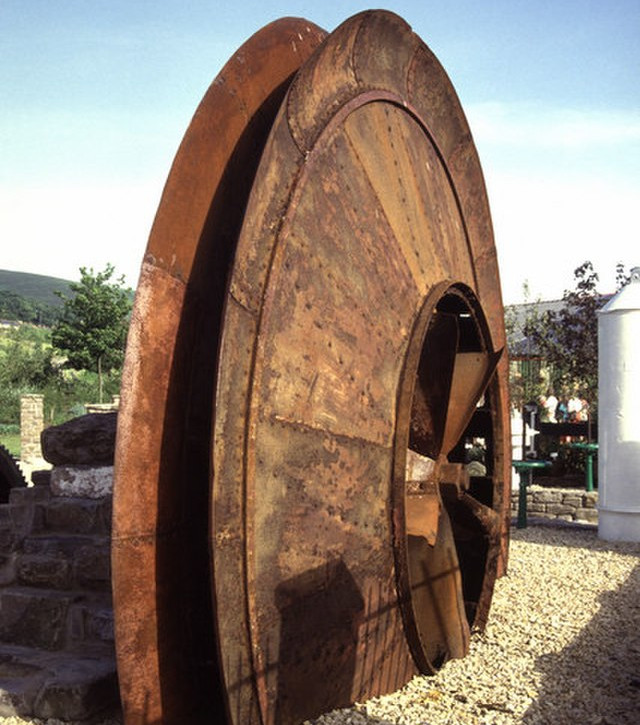
Steam Powered Waddle Fan. Photo by Chris Allen, CC BY-SA 2.0, via Wikimedia Commons. Modifications made.
Factory architecture during this period also began to prioritize ventilation. The design of buildings with high ceilings and expansive windows aimed to facilitate natural air circulation. However, the growth and scale of factories soon outpaced the capabilities of natural ventilation, leading to the development of mechanical ventilation systems. These systems, often powered by belt-driven fans connected to steam engines, represented a significant leap forward in controlling indoor air environments on a large scale.
The Industrial Revolution also witnessed the birth of systems that merged heating and ventilation. This innovation acknowledged the dual need for temperature control and fresh air, utilizing excess heat from manufacturing processes to warm incoming fresh air during colder months, thereby optimizing energy use.
Moreover, the era highlighted the crucial link between ventilation and public health, especially in rapidly urbanizing areas plagued by poor air quality and overcrowding. This awareness led to the first public health policies addressing ventilation, underlining its importance in preventing disease in both urban and industrial settings.
As the Industrial Revolution progressed, the groundwork was laid for the future of ventilation technology. The era's inventive spirit in addressing the air quality challenges of industrialization has left a lasting legacy, paving the way for the sophisticated ventilation systems we rely on today, which continue to evolve in response to our ever-changing environmental and health needs.
19th Century and Beyond: The Technological Tide
The advent of electricity brought about the next leap in ventilation technology. In the sweltering heat of 1882, American inventor Schuyler Skaats Wheeler changed the way people experienced comfort indoors. He is credited with creating the first electric fan, a bladed marvel powered by a DC motor, which he affectionately called the "buzz fan". This ground breaking invention laid the foundation for the widespread use of electric fans in homes and workplaces, offering a much-needed escape from stifling summer temperatures.
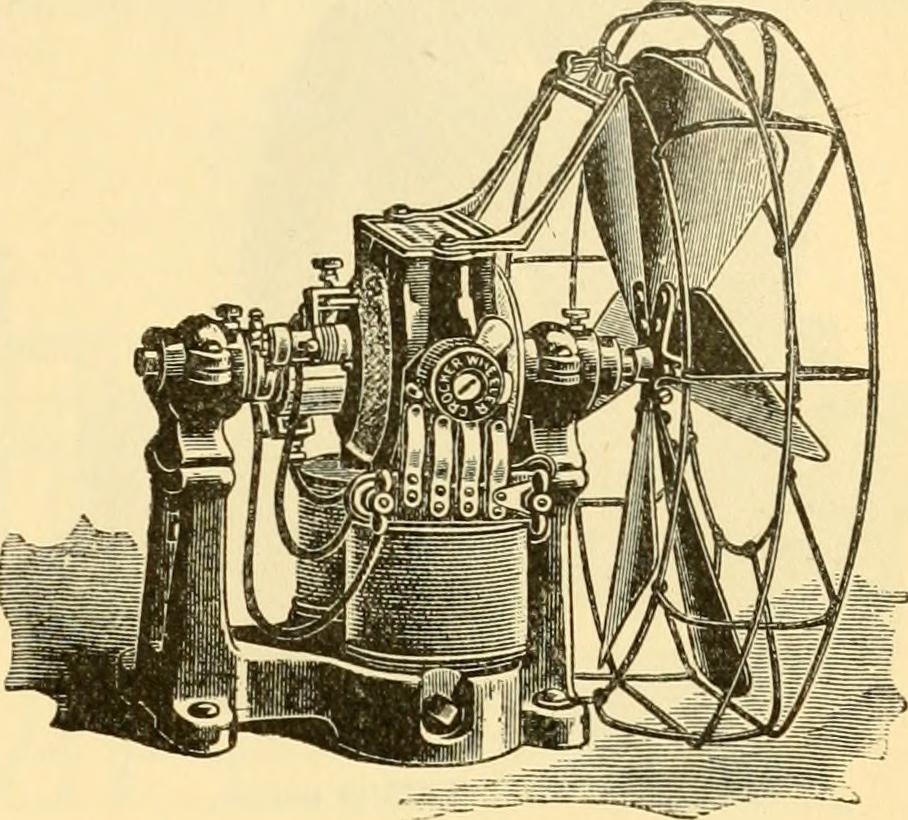
Unknown author. Crocker-Wheeler electric fan, via Flickr - Internet archive image
But the real game-changer was the invention of air conditioning by Willis Carrier in 1902. This technology not only controlled ventilation but also temperature and humidity, making indoor environments truly comfortable for the first time in human history.
In the latter half of the 20th century, the focus shifted towards energy efficiency and air quality. Innovations such as Heat Recovery Ventilators (HRVs) and Energy Recovery Ventilators (ERVs) became important in climates where heating or cooling costs are significant. These systems work by exchanging the energy from outgoing stale air to pre-condition the incoming fresh air, significantly reducing energy consumption.
Today, smart HVAC systems integrate seamlessly with home automation systems, allowing for unprecedented control over indoor climates. These systems can adjust ventilation based on real-time air quality readings, occupancy, and even weather forecasts, optimizing both comfort and energy use.
MVHR units, or Mechanical Ventilation with Heat Recovery, represent the most modern approach to ventilation extraction. These systems continuously remove stale air and introduce fresh, filtered air into a building. Unlike traditional extraction methods, MVHR units recover heat from the extracted air, utilizing it to pre-warm the incoming fresh air. This significantly reduces energy consumption associated with space heating, contributing to the overall sustainability of modern homes.
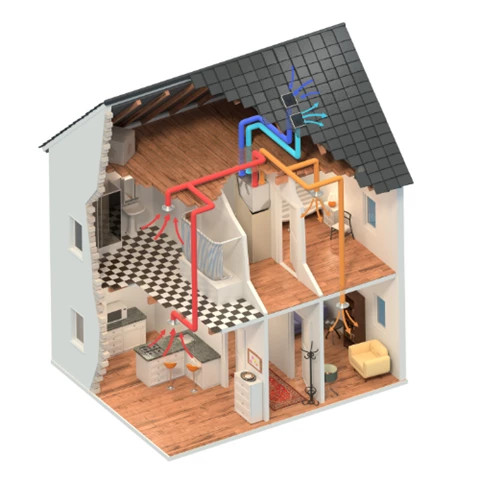
Unknown Author. MVHR House Diagram, via Nuaire – MVHR Explained.
The emphasis on sustainable building practices has led to the resurgence of natural ventilation strategies, albeit in a more controlled and sophisticated manner. Modern architecture often incorporates elements designed to enhance natural airflow, such as strategically placed windows, atriums, and ventilation shafts, demonstrating that the principles of natural ventilation discovered by our ancestors remain relevant.
Step Into the Future of Fresh Air with Us
As we've journeyed through the corridors of time, witnessing the evolution of ventilation from ancient breezes to modern marvels, it's clear that the quest for the perfect indoor climate has always been a part of human ingenuity. Today, we stand on the precipice of the most advanced, sustainable, and smart ventilation solutions ever seen.
At Fastlec, we're not just observers of history; we're actively pert of creating the next chapter. Our range of cutting-edge ventilation solutions embodies the lessons learned from the past, powered by the technology of the future. From energy-efficient HVAC systems that whisper quietly in the background to smart ventilation controls that respond intuitively to your indoor environment, we offer a breath of fresh air in the truest sense.
We invite you to explore our innovative products and services, designed with both your comfort and the planet's well-being in mind. Discover how we're integrating smart technology, sustainability, and historical wisdom to create ventilation solutions that not only serve your needs but also contribute to a healthier world.
Visit us at www.fastlec.co.uk to learn more about our offerings and how we can help you breathe easier, today and tomorrow. Welcome to the future of indoor air quality—where every breath you take is a testament to centuries of innovation, brought to your doorstep by Fastlec.
Sources
Hello, history buffs and fresh-air aficionados! Today, we’re diving into the fascinating evolution of ventilation, from the breezy corridors of ancient civilizations to the high-tech systems keeping our modern spaces crisp and comfortable. So, grab a comfortable spot (preferably well-ventilated), and let’s embark on this airy journey together. Ancient Beginnings: When Nature Was the Architect […]
From Stuffy Nights to Sweet Dreams, One Breath at a Time
Imagine this: you crawl into bed, exhausted after a long day. You snuggle under the covers, anticipation simmering for a night of blissful slumber. Yet, despite your best efforts, sleep remains elusive. Hours tick by, punctuated by restless tossing and turning. Frustration creeps in, as does the familiar fog of sleep deprivation.

This scenario, unfortunately, is far from uncommon. Millions around the world struggle with sleep issues, their bedrooms harbouring an unexpected culprit: poor ventilation.
While we often focus on factors like stress, screen time, or caffeine, the air we breathe within our sanctuaries of slumber plays a critical, and often overlooked, role in sleep quality. Today, let's delve into the fascinating "Sleep Connection," exploring how proper ventilation can unlock the door to deeper, more restorative rest.
The CO2 Conundrum:
Remember that satisfying sigh of relief after finally getting out of a stuffy room? It's not just your imagination. As we sleep, our bodies exhale carbon dioxide (CO2). In a poorly ventilated bedroom, this CO2 can accumulate, creating a silent enemy that disrupts our sleep cycles. Studies by the National Institutes of Health (NIH) and Harvard University show that even slightly elevated CO2 levels (as low as 1000 ppm) can significantly impact cognitive function and sleep quality leading to:
- Headaches
- Fatigue
- Difficulty breathing
- Restlessness
- Reduced sleep quality
Imagine trying to drift off while trapped in a stuffy, stagnant bubble of your own exhaled air. Not exactly the recipe for restful slumber, is it?
The Allergy Assault:
For many, sleep is marred by the constant sniffles and coughs of allergies. Dust mites, pet dander, and volatile organic compounds (VOCs) from furniture and cleaning products can all lurk in poorly ventilated bedrooms, triggering allergy and asthma symptoms. Proper ventilation helps filter out these airborne nasties, creating a sleep haven for even the sniffiest sleepers.

Humidity Hijinks:
On the flip side, excessive humidity can transform your bedroom into a tropical sauna, making it feel stuffy and uncomfortable. This can lead to difficulty falling asleep and staying asleep. Ventilation helps remove excess moisture, creating a more breathable, and therefore restful, environment.
Temperature Tango:
Beyond CO2, proper ventilation plays a crucial role in regulating bedroom temperature. Ever tossed and turned on a sweltering night? You're not alone. Overheating can disrupt sleep cycles and lead to frequent waking. Adequate ventilation allows heat to escape, creating a cooler environment for deeper sleep.

The Stats Speak Volumes:
The connection between ventilation and sleep isn't just anecdotal; it's backed by compelling data.
- According to the National Sleep Foundation, an ideal bedroom temperature for sleep is between 15.6-19.4°C. A study by the University of California, Berkeley, found that poor ventilation can lead to increased bedroom temperatures by up to 3°C, disrupting sleep cycles and causing discomfort.
- The Environmental Protection Agency (EPA) recommends indoor humidity levels between 30-50%. A study published in the journal "Indoor Air" found that high humidity (above 60%) can increase the risk of sleep apnea and worsen symptoms for existing sufferers.
- The Asthma and Allergy Foundation of America reports that up to 50% of allergy sufferers experience night-time symptoms, often triggered by dust mites and other allergens in poorly ventilated bedrooms. A study in the journal "Allergy" found that proper ventilation can reduce indoor allergen levels by up to 70%, leading to improved sleep and reduced allergy symptoms.
- While modern, airtight homes can boast improved energy efficiency, they often lack proper ventilation, leading to stagnant air and poor indoor air quality. A study by the National Renewable Energy Laboratory (NREL) found that properly designed ventilation systems can improve indoor air quality and maintain energy efficiency.
- Investing in good ventilation isn't just about comfort, it's about health and well-being. A study by the World Health Organization (WHO) found that poor indoor air quality can lead to a significant increase in respiratory illnesses, cardiovascular diseases, and even cancer. Improved ventilation can significantly reduce these risks, leading to long-term health benefits and potential cost savings in healthcare.
- In a study performed by Harvard University, found that ventilation improvements enhanced memory, focus, and problem-solving abilities, all linked to better sleep cycles.
- The Technical University of Denmark found that improved bedroom ventilation doubled the cognitive function test scores of occupants, highlighting the significant impact on sleep quality and daytime performance.
So, are you ready to transform your bedroom into a sleep sanctuary?
Let's harness the power of ventilation for a better night's sleep with these solutions, all available from us here at Fastlec.
dMEV (Decentralized Mechanical Extract Ventilation) Fans:
Think of dMEV fans as tiny, silent guardians of your air quality. These units, continuously extract stale, moisture-laden air, preventing condensation and mould growth. Unlike traditional extractor fans, they run quietly, ensuring restful nights and improved indoor air quality throughout your home.
Benefits of dMEV Fans:
- Continuous ventilation: Removes moisture and pollutants 24/7, preventing condensation and mould.
- Quiet operation: No more disruptive buzzing, just restful sleep.
- Improved indoor air quality: Reduces harmful airborne pollutants like dust mites and allergens.
- Energy efficiency: Uses minimal power, making them budget-friendly.
- Easy installation: Can be fitted in existing walls or ceilings, ideal for renovations.
PIV (Positive Input Ventilation) Units:
Think of PIV units as fresh air injectors for your home. These discreet systems, often installed in lofts or attic spaces, gently push filtered fresh air into your living areas, creating a gentle air circulation that replaces stale indoor air. This reduces moisture, pollutants, and CO2 levels, leaving you feeling refreshed and energized.
Benefits of PIV Units:
- Improved ventilation: Provides a constant supply of fresh, filtered air.
- Reduced condensation and mould: Removes moisture before it builds up.
- Lower CO2 levels: Improves air quality for better sleep and health.
- Energy efficiency: Uses minimal power compared to traditional ventilation systems.
- Discreet and quiet: Operates silently, without disrupting your daily life.
Single Room Heat Recovery Units:
Single Room Heat Recovery Units are ventilation powerhouses, ideal for bedrooms, or any room where energy efficiency and comfort are paramount. These units extract stale air while recovering its heat, using it to pre-warm the incoming fresh air. This means less energy is needed to maintain comfortable temperatures, saving you money on heating bills.
Benefits of Single Room Heat Recovery Units:
- Improved ventilation: Provides fresh, filtered air while removing stale air.
- Energy efficiency: Recovers heat from extracted air, reducing heating costs.
- Enhanced comfort: Maintains comfortable temperatures with minimal energy use.
- Reduced condensation and mould: Removes moisture before it builds up.
- Quieter than traditional ventilation systems: Offers a peaceful sleep environment.
Finding the Right Solution:
Choosing the best ventilation solution for your needs depends on your budget, the size and layout of your home, and your specific concerns. Whether you're battling condensation, allergies, or simply want to improve your sleep quality, here at Fastlec we can help you find the perfect fit. So, ditch the sleepless nights and stuffy mornings! With the right solution, you can create a bedroom oasis that promotes deeper sleep, leaving you feeling energized and ready to tackle each day.
Sweet dreams!

Sources:
- Technical University of Denmark: https://pubmed.ncbi.nlm.nih.gov/26273786/
- National Institutes of Health (NIH): https://www.nih.gov/
- Harvard University: https://www.harvard.edu/
- National Sleep Foundation: https://www.sleepfoundation.org/
- University of California, Berkeley: https://www.berkeley.edu/
- Environmental Protection Agency (EPA): https://www.epa.gov/
- Indoor Air journal: https://onlinelibrary.wiley.com/journal/16000668
- Asthma and Allergy Foundation of America: https://www.aaaai.org/
- Allergy journal: https://onlinelibrary.wiley.com/journal/13989995
- University of Pennsylvania: https://www.upenn.edu/
- National Renewable Energy Laboratory (NREL): https://www.nrel.gov/
- World Health Organization (WHO): https://www.who.int/
From Stuffy Nights to Sweet Dreams, One Breath at a Time Imagine this: you crawl into bed, exhausted after a long day. You snuggle under the covers, anticipation simmering for a night of blissful slumber. Yet, despite your best efforts, sleep remains elusive. Hours tick by, punctuated by restless tossing and turning. Frustration creeps in, […]
Casambi revolutionizes lighting control, offering a wireless solution that combines simplicity with sophistication. At its core, Casambi employs Bluetooth Low Energy (BLE) technology, allowing for seamless connectivity and intuitive control of your lighting environment.
Setting Up Casambi
Casambi-Enabled Devices: Start by choosing lighting fixtures equipped with Casambi technology, such as bulbs or LED drivers. These devices are designed to communicate wirelessly with each other.
Casambi App: Download the Casambi app on your smartphone or tablet. This user-friendly interface becomes your command centre for managing all connected lighting fixtures.
Bluetooth Connectivity: Casambi utilizes BLE to establish a secure and energy-efficient connection between your mobile device and Casambi-enabled lighting fixtures. This eliminates the need for complex wiring and allows for easy installation.
Configuration: Through the Casambi app, configure your lighting preferences. Adjust brightness levels, set colour temperatures, and create custom lighting scenes that suit your mood or activity.
Bluetooth Low Energy (BLE) Explained
Bluetooth Low Energy (BLE) is a wireless communication technology designed for short-range connections. It provides the same functionality as classic Bluetooth but with significantly lower power consumption. BLE is ideal for applications like Casambi, enabling efficient and reliable communication between your mobile device and lighting fixtures without draining your device's battery.
Casambi Key Features
Smart Control: With the Casambi app, you have instant control over your lighting environment. Effortlessly fine-tune settings and create dynamic scenes to enhance your space.
Scalability: Expand your smart lighting system by adding more Casambi-enabled devices. Casambi's scalable design ensures flexibility as your needs evolve.
Automation: Enjoy the convenience of automation. Schedule lighting changes based on time, occupancy, or specific events, enhancing both efficiency and energy savings.
Versatile Applications Of Casambi
Residential: Casambi transforms homes with personalized lighting atmospheres for every occasion.
Commercial: Ideal for retail, offices, and hospitality, Casambi enhances the ambiance of business spaces.
Industrial: Streamline lighting management in factories and warehouses with Casambi's robust features.
Summary
Casambi is not just a lighting control system; it's a gateway to a smarter, more connected environment. Elevate your space with Casambi's intuitive controls, automation capabilities, and seamless integration. For a detailed guide on setting up Casambi and to explore the possibilities, visit https://casambi.com/
Casambi revolutionizes lighting control, offering a wireless solution that combines simplicity with sophistication. At its core, Casambi employs Bluetooth Low Energy (BLE) technology, allowing for seamless connectivity and intuitive control of your lighting environment. Setting Up Casambi Casambi-Enabled Devices: Start by choosing lighting fixtures equipped with Casambi technology, such as bulbs or LED drivers. These […]
Embracing Winter’s Chill with the Right Ventilation
As the chilly breeze and snowflakes herald the arrival of the cosiest season, it's time to discuss something often overlooked: winter ventilation. You might be tempted to seal your home from the cold, but good ventilation is the key to a healthy and comfortable winter.
In this blog post, we'll explore the art of winter ventilation, keeping your home cosy and fresh, all while preventing those dreaded winter stuffiness and condensation issues.
So, grab your favourite blanket and let's dive into Winter Ventilation!
Banish the Stale Air with Fresh Ideas
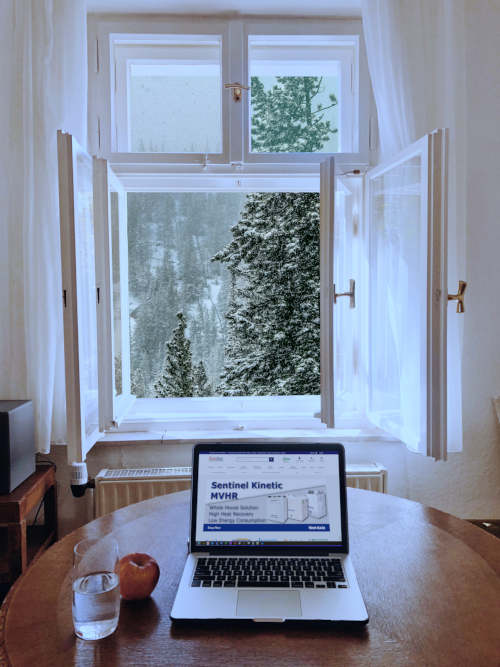
During the winter months, the windows and doors are tightly shut, and the heating systems are running round the clock, making it essential to combat that stale, indoor air. Start by opening your windows for a few minutes each day. Yes, it's cold outside, but that blast of fresh air does wonders for the indoor environment.
If you're concerned about losing heat, choose a sunny time of day to crack open your windows. The natural sunlight will warm up your home while the fresh air sweeps away stuffiness. Make it a daily ritual, and your home will thank you for it.
Don’t Let Humidity Get You Down
Balancing Act: Humidity Control
Winter is notorious for drying out the air, which can lead to all sorts of discomforts, from dry skin to irritated sinuses. On the flip side, too much humidity can cause condensation issues and even mould growth. The key is finding that sweet spot.
Investing in a humidifier can make a world of difference. By adding a controlled amount of moisture to the air, you can prevent the excessive dryness that often accompanies winter. Ensure your humidifier is regularly cleaned to prevent any potential mould growth. Keeping an eye on indoor humidity levels with a hygrometer will help you strike the perfect balance.
Mastering the Art of Air Circulation
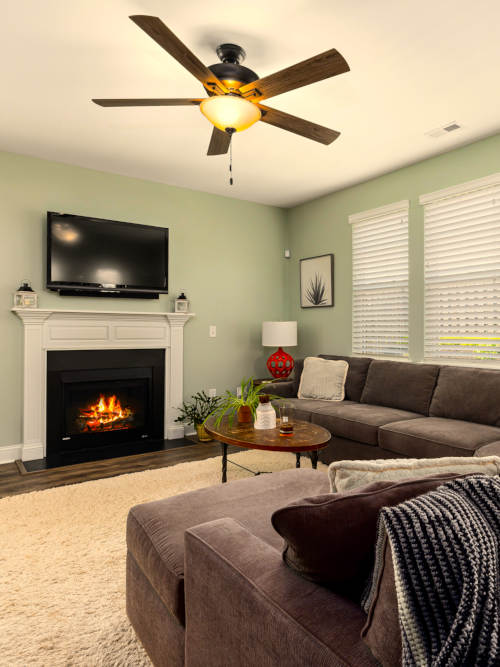
Ceiling fans are not just for the sweltering summer months. During winter, they can be your secret weapon against uneven heating and stagnant air. Set your ceiling fan to run in reverse, a clockwise direction, at a low speed. This will push the rising warm air back down, ensuring even warmth throughout your space.
To make this winter ventilation trick even cosier, consider using a smart thermostat. You can program it to coordinate your fan's operation with your heating system, creating the perfect balance between comfort and energy efficiency.
Filter It Out - The Power of Clean Filters
Breathe Easier with Clean Filters
While you may not be opening your windows as often, any heating, ventilation, and air conditioning (HVAC) systems you have will be running continuously during the winter. To ensure the air it circulates remains clean and fresh, you need to pay attention to your filters.
Filters can accumulate dust, allergens, and other particles that worsen indoor air quality. Replace or clean your HVAC filters regularly. A fresh filter ensures that the air you're breathing is as clean as it can be, promoting a healthier environment for you and your family.
Say Hello to Houseplants

Nature’s Air Purifiers: Houseplants
Houseplants are not only fantastic décor items, but they're also natural air purifiers. They have a magical way of removing harmful toxins from the air and releasing oxygen. In the winter, when your home is sealed off, having a few houseplants can make a big difference.
Spider plants, snake plants, and peace lilies are just a few examples of indoor plants that are excellent at purifying the air. They're low-maintenance and bring a touch of nature into your home. Just be sure not to overwater them, as excessive moisture can lead to mould growth in the soil.
Sealing the Gaps - Draft-Proofing Your Home
Defending Your Fortress Against Drafts
Keeping your home cosy in the winter is not just about letting fresh air in; it's also about keeping the cold drafts out. Check for gaps around windows and doors and seal them with weatherstripping. Draft stoppers at the bottom of doors are also a great way to prevent cold air from seeping in.
A well-insulated home is not only more energy-efficient but also more comfortable. The last thing you want is a sneaky winter draft giving you the chills, so be proactive and seal those gaps.

Unleash the Magic of Mechanical Ventilation
Mastering Winter Ventilation with Mechanical Marvels
Natural ventilation, as we've discussed, has its merits, but it's not always ideal during the bone-chilling days of winter. It's also a bit of a dampener when rain is pouring outside. That's where mechanical ventilation systems come to the rescue, making the art of winter ventilation a breeze.
Mechanical ventilation is like having your personal air quality manager. It automatically regulates the supply of fresh air, ensuring that your home remains comfortable and free from stuffiness. Even on the coldest of winter days, you can enjoy a breath of fresh air without shivering.
But the magic doesn't stop there. Some advanced systems employ heat recovery technology, which is like a cosy, warm hug for your home. This innovative feature ensures that the precious heat from the extracted indoor air is transferred to the incoming outdoor air. In other words, it keeps your home's heat loss to an absolute minimum.
With a mechanical ventilation system, not only do you get to breathe fresh air, but you also get to do so in a toasty, healthy home. It's like having a personal winter comfort wizard at your service, ensuring that you enjoy the best of both worlds - warmth and fresh air!
Stay Warm, Stay Fresh
Winter ventilation may not be a topic that gets everyone excited, but it's an essential part of ensuring your winter season is comfortable and healthy. By welcoming fresh air, ensuring proper humidity, and keeping your indoor environment clean, you'll be able to combat stuffiness and create a cosy, inviting space for you and your loved ones.

So, as you cosy up with a warm drink by the fireplace remember to embrace winter ventilation as your trusty sidekick. It will keep your home fresh, your air clean, and your spirits high during the frosty season.
Stay warm and stay fresh this winter
Embracing Winter’s Chill with the Right Ventilation As the chilly breeze and snowflakes herald the arrival of the cosiest season, it’s time to discuss something often overlooked: winter ventilation. You might be tempted to seal your home from the cold, but good ventilation is the key to a healthy and comfortable winter. In this blog […]
Dampness is a common and often frustrating issue that homeowners and landlords encounter. It not only affects the aesthetic appeal of a building but can also lead to structural damage and health concerns if left untreated. Understanding the three main types of damp – condensation, rising damp, and penetrating damp – is crucial for effective management and prevention. In this blog post, we'll explore the causes of each type and provide tips on how to combat them.
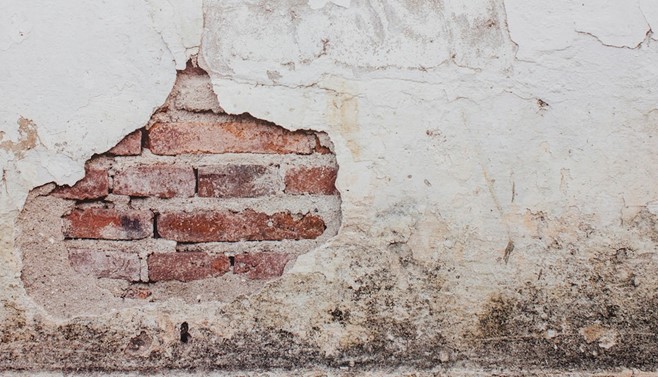
Rising Damp
Rising damp occurs when groundwater or moisture from the ground is drawn up through the walls or floors of a building. This type of damp can be especially problematic in older properties with inadequate damp-proof courses (DPCs) or damaged barriers.
Causes Of Rising Damp
Missing or damaged DPCs: Damp-proof courses are barriers designed to prevent moisture from rising through the walls. When they are missing or damaged, rising damp can occur.
High groundwater levels: Properties in areas with high water tables are more susceptible to rising damp.
Porous building materials: Older buildings often use porous materials like brick and stone, which can pick up moisture.
Combatting Rising Damp
Install or repair DPCs: Proper installation or repair of damp-proof courses is essential to prevent rising damp.
Improve drainage: Ensure the property's drainage system directs water away from the building's foundation.
Use waterproof coatings: Applying waterproof coatings to vulnerable areas, such as basements and ground-level walls, can help prevent moisture ingress.

Penetrating Damp
Penetrating damp, also known as rain penetration or lateral damp, occurs when water infiltrates a building through its external walls. It is typically caused by external defects or damage to the building's structure.
Causes Of Penetrating Damp
Damaged roof or walls: Cracked or damaged roofing tiles, pointing, or render can allow rainwater to penetrate the building.
Faulty guttering or downpipes: Blocked or broken guttering can cause rainwater to overflow and seep into walls.
Poor maintenance: Neglecting the exterior of a property can lead to deterioration and an increased risk of penetrating damp.
Combatting Penetrating Damp
Regular maintenance: Inspect your property's exterior regularly and repair any damage, such as cracked render or missing roof tiles.
Gutter maintenance: Keep gutters and downpipes clear of debris to ensure proper water drainage.
External coatings: Applying waterproof coatings to external walls can provide an additional barrier against rain penetration.

Condensation Damp
Condensation damp is perhaps the most common damp found in homes and buildings. It occurs when warm, moist air comes into contact with colder surfaces, causing the moisture in the air to condense into water droplets. This typically happens during colder months when indoor heating is used.
Causes Of Condensation Damp
Inadequate ventilation: Poor airflow within a property can trap moisture-laden air indoors.
High humidity: Activities such as cooking, bathing, and drying clothes indoors can increase indoor humidity levels.
Cold surfaces: Cold walls, windows, and ceilings provide a surface for the moisture in the air to condense.
Combatting Condensation Damp
Improve ventilation: Ensure proper airflow by opening windows regularly and using extractor fans in kitchens and bathrooms.
Reduce humidity: Use dehumidifiers or keep lids on pots while cooking to minimize moisture in the air.
Insulate cold surfaces: Adding insulation to walls and windows can help prevent condensation by maintaining more consistent temperatures within the building.
Combatting Damp With PIV Units
Damp problems can be a significant headache for homeowners and property managers. However, by understanding the three main types of damp – condensation, rising damp, and penetrating damp – and addressing their underlying causes, you can take proactive steps to combat dampness and protect your property from damage.
One of the most efficient and straightforward methods for addressing condensation and preventing damp within your residence is through the implementation of Positive Input Ventilation (PIV). This well-established ventilation system has a history spanning half a century, and it represents a transformative solution.
PIV systems ensure a consistent influx of fresh, purified air into your premises. The primary unit is typically installed within a loft space, while the circular ceiling diffuser is centrally positioned within your property. Once activated, the PIV system draws external air into the loft, passing it through the system's filters. Subsequently, this air is propelled through the ventilation duct, generating positive air pressure within the living space. By channelling clean and fresh air from the heart of your dwelling, the PIV system effectively expels stagnant, humid air as well as eliminates harmful airborne pollutants, and substantially reduces, if not eliminates damp from your home or property
Other Relevant Reading
Dampness is a common and often frustrating issue that homeowners and landlords encounter. It not only affects the aesthetic appeal of a building but can also lead to structural damage and health concerns if left untreated. Understanding the three main types of damp – condensation, rising damp, and penetrating damp – is crucial for effective […]
As humans, we really need our daily dose of food, water, and a constant supply of air to keep going. Did you know that an adult needs over 10,000 litres of air every day? That's like taking around 20,000 breaths!
It's kind of surprising, but on average in the UK, we spend around 90% of our time indoors. That's whether we're at home, work, shopping, eating out, or just relaxing. But guess what? Indoor air can get up to 5 times more polluted than the air outside. We usually don't even realize it until our health takes a hit.
Especially now that more and more people are working from home, having good indoor air quality is critical.
What exactly is poor indoor air quality?
Well, it's just a fancy term that describes how clean the air is inside and around the buildings we spend time in. When the air inside or outside gets filled with harmful contaminants, it can really impact our health.
The thing is, we're all at risk of indoor air pollution, but it's even riskier for people with conditions like asthma, COPD, or any lung issues. Kids especially, whose lungs are still growing, and older folks are much more sensitive to bad indoor air.
Time for some numbers
According to https://commonslibrary.parliament.uk/research-briefings/cbp-9696/, the NHS spends an estimated £1.4 billion every year to treat illnesses caused by living in cold, damp, and unsafe conditions. But that's not all. When you add all the other costs like healthcare, that number skyrockets to a whopping £15.4 billion!
About one in six homes in England and one in five of homes in Wales were constructed before the year 1900. Now, when we look at the majority of homes in both England and Wales, most were built between 1930 and 1982. That’s almost half of the homes in England and almost the same amount in Wales. As you can see that’s a huge percentage of the houses in the UK, and these old places are perfect for things like dampness, mould, and mildew, which can really affect our health.
But it's not just old homes dealing with this. Even new houses have their own issues. They're built with improved air tightness, but this can trap warm, moist air indoors, leading to that damp feeling.
What causes poor indoor air quality?
Well, a bunch of stuff we use every day can affect the air quality in our homes. Things like cooking with gas, using cleaning sprays, beauty products, and even those air fresheners we love so much.
The tricky part is that without proper ventilation, these pollutants can stick around for a while, slowly impacting our health without us even realizing it. Breathing in bad air for a long time can lead to serious health issues like asthma, lung diseases, and even heart problems.
There are all sorts of things contaminating our indoor air quality, like:
Humidity: When we don't have good airflow, things get too humid and that encourages mould and dust mites. This makes allergies and asthma worse.
Nitrogen Dioxide (NO2): This comes from things like gas stoves and traffic. Breathing in too much NO2 can increase your risk of respiratory infections, make asthma worse and reduce overall life expectancy.
Particulate Matter (PM): This is created by burning fuels and other chemical reactions. The tiny particles can hurt your lungs and even up your chances of getting lung cancer.
Volatile Organic Compounds (VOCs): Found in things like air fresheners, cleaning supplies, and even new furniture. They can cause cancer and negatively affect your nervous system.
Radon Gas: This colourless gas forms when natural elements in rocks and soil break down. Prolonged exposure to it can increase your chances of lung cancer.
https://www.fastlec.co.uk/blog/radon-understanding-the-dangers-and-how-to-protect-yourself/
And you know what? There are guidelines and rules to make indoor air better. Like having fans in rooms to keep the air moving, which is something Building Regulations in the UK talk about: https://www.gov.uk/government/publications/ventilation-approved-document-f
But it's more than that. Indoor air quality is a big deal, so the World Health Organization (WHO) set up some guidelines covering things like mould, chemicals, and fuel burning.
https://www.who.int/news-room/feature-stories/detail/what-are-the-who-air-quality-guidelines
WHO says we all have a part to play. Building owners need to make sure places are well-built and not too damp, and people living there should use water, heat, and appliances in ways that don't create mould. If there's dampness or mould, we should fix it. Plus, good ventilation is key to managing moisture inside buildings.
Whether we're talking about our cosy homes or the places we work and hang out, it's clear that having clean indoor air isn't just important, it's a must for our health and happiness.
So, how do we beat indoor air pollution?
One of the most efficient and simple ways to tackle condensation and clean up the air inside your home is Positive Input Ventilation (PIV). This tried-and-true ventilation approach has been around for 50 years, and it's a game-changer.
Whether you're a homeowner, providing housing for the community, or a private landlord, Positive Input Ventilation (PIV) is a fantastic and elegant choice.
PIV
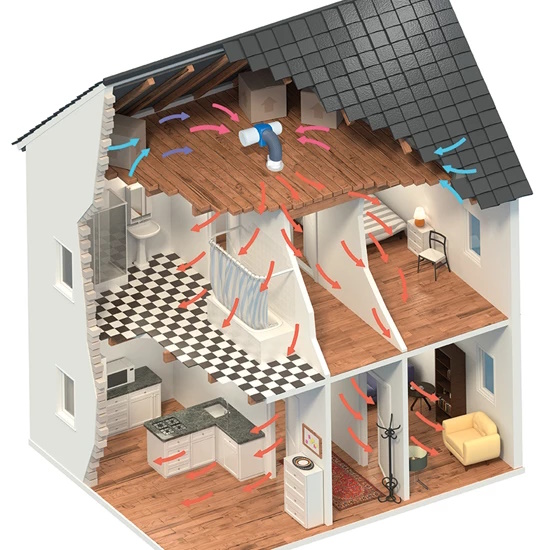
Now, how does this thing work? Simple! PIVs ensure a constant flow of fresh, filtered air gets pumped into your place. You install the bulk of the unit in a loft space and fit the circular ceiling diffuser centrally in your property. Once the PIV is on, the air is sucked in from the outside, into your loft and through the PIV’s filters. Then, it’s pushed through the vent creating positive air pressure. By pushing clean, fresh air from the centre of your house, pushes out all the old stale air reducing humidity, kicking out those nasty air pollutants, and giving a big boost to the air quality of your home or property.
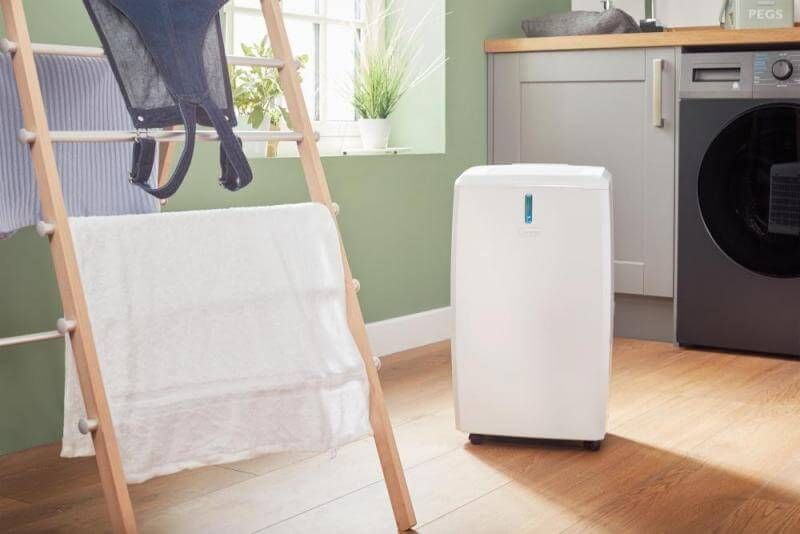
Dehumidifiers
Dehumidifiers can be an effective solution for improving air quality in homes, particularly in areas with high humidity or problems with moisture. Here's how they can help:
- Reduction of Mold and Mildew: High humidity can lead to the growth of mould and mildew. By reducing humidity levels, dehumidifiers can help prevent these growths, which can be harmful to respiratory health.
- Dust Mite Control: Dust mites thrive in humid environments. Dehumidifiers can help control dust mites, which are a common allergen.
- Alleviation of Respiratory Problems: Moist air can irritate the respiratory tract. Dehumidifiers can make the air more comfortable for people with allergies or respiratory conditions like asthma.
- Protection of Home Structure: Excessive moisture can harm the structural integrity of your home, leading to peeling wallpaper, warping wood, or other moisture-related damages. Dehumidifiers can help protect against these issues.
- Odour Control: Musty odours often accompany mould and mildew growth. By controlling moisture, dehumidifiers can help eliminate these smells.
- Comfort: High humidity can make the air feel warmer than it actually is. By reducing humidity, a dehumidifier can make the living environment more comfortable.
However, it's essential to note that a dehumidifier alone may not solve all air quality issues. It primarily addresses problems related to moisture and humidity, but it may not remove other pollutants like VOCs, smoke, or particulates. Also, selecting the right size and type of dehumidifier and properly maintaining it is crucial for its effectiveness.
In cases where there are specific concerns beyond humidity (such as pollution from traffic or industrial sources), additional air purifying measures, such as using an air purifier with a HEPA filter, might be required.
Heat Recovery - MVHR
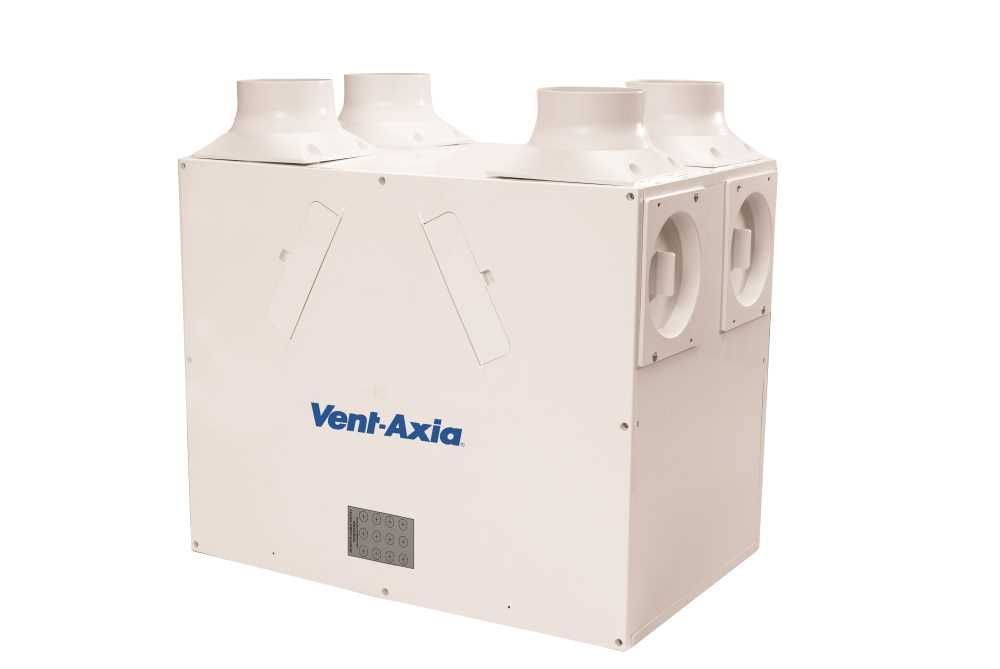
Another solution is this thing called Mechanical Ventilation with Heat Recovery, or MVHR for short. Companies like Nuaire, Vent-Axia, Domus, Blauberg and Zehnder all make these superheroes of the ventilation world. You see, it's not just about saying goodbye to stuffy air in your bathrooms and such. MVHR takes it up a notch.
Ducted with pipes throughout your whole house, this system takes out the old air that's loaded with moisture and stuff you don't want and pumps in fresh air at the same time. But get this, the old stale air goes through a nifty heat exchanger on its way out. This exchanger takes the heat from the outgoing air and shares it with the incoming fresh air. So, that new air gets all cosy and warm before it enters your space. And here's the magic part: because that incoming air is already warmed up, your heating system doesn't need to work as hard. So, your place is always feeling fresh, cosy, and energy efficient. It's like giving your home a breath of fresh air and a warm hug all at once!
Additional Filter Systems
Do you want even better air quality? Of course, you do! Meet the Blauberg Cleanbox. You attach the Cleanbox to an existing MVHR system and it kicks out all the bad stuff from the air entering your property.
What’s really good is the Cleanbox is a three-part deal. First, the G4 Grade filter steps in, catching stuff like dust and pollutants, making sure your air is top-notch. Next up, the F8 Grade filter goes to work, handling pollen, mould spores, and even tiny things like bacteria and viruses. Last but not least, the activated carbon filter takes care of the big guns—Car fumes, Nitrogen Dioxide, and even funky smells.
And get this: they use this super effective virgin carbon that's got way more surface area, which means it can soak up pollution like a sponge. Oh, and Cleanbox has this unique hexagonal design that makes sure your airflow is top-notch. More airflow, more efficiency.
Plus, these Cleanbox units are small and easy to fit in, and they won't break the bank. And guess what? If you need to change filters, you don't have to replace the whole unit. You can just swap out the filter cassettes. Way more budget-friendly.
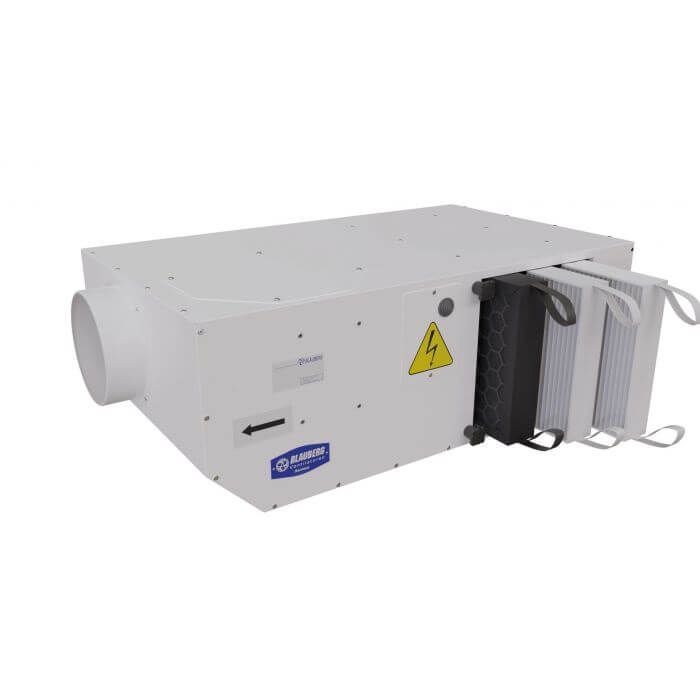
So, what's the bottom line? Whether it's a flat, apartment, house, or even an office, adding a Cleanbox to your MVHR can really make a huge difference to the air quality. And as a bonus, it keeps your energy core clean and dust-free, which means you're saving even more energy. Clean unit, happy you!
Can’t install any of these systems? No problem!
Air Purifiers
Let's chat about Air Purifiers, and more specifically, the Vent-Axia PureAir Room. It’s your secret weapon against all the bad stuff hanging around in your air. Imagine having a free-standing, no-installation-required system that kicks out those harmful particles and says "bye-bye" to funky smells, all while giving you and your family a fresher and healthier indoor environment. Sounds pretty awesome, right?
Here’s how it works:
First, the air hits a washable pre-filter that catches the bigger particles, making sure the next filters don't have to deal with them, then a HEPA filter that's all about getting rid of the tiny particles—like pet allergens, pollen, viruses, and bacteria. Now it’s on its way to an activated carbon filter that's like a giant magnet for odours and gases. It traps them in its charcoal embrace, leaving your air smelling fresh. Straight ahead is the cold catalyst filter that speeds up the breakdown of bad stuff in the air, turning them into harmless molecules.
Up next, the ultraviolet light technology. This is like a science fiction movie coming to life using short-wavelength ultraviolet light to zap bacteria and viruses, making your air a safer place.
The final stop is the ionizer. This is the grand finale of the whole process. It creates negatively charged ions that stick to tiny particles, making them join forces and get caught by the filter.
The PureAir Room is like your trusty sidekick. It’s portable, so you can take it to any room that needs a breath of fresh air. It's got a display that shows you how good your air is. Plus, it's got settings like timer mode and sleep mode. It's basically the cool, high-tech way to make your indoor air top-notch and keep you and your family feeling awesome.

Summary
So, there you have it, indoor air quality can really make such a difference in our health and comfort. From those charming old houses to the shiny new ones, we've got to keep an eye on the air we're breathing. Remember, it's not just about our homes; it's about our well-being. So, let's appreciate fresh air, smart ventilation, and living our best, healthiest lives indoors!
As humans, we really need our daily dose of food, water, and a constant supply of air to keep going. Did you know that an adult needs over 10,000 litres of air every day? That’s like taking around 20,000 breaths! It’s kind of surprising, but on average in the UK, we spend around 90% of […]
Enhancing Workplace Health & Safety
Industrial ventilation plays a crucial role in maintaining a safe and productive workplace environment. It involves the process of circulating and replacing air in enclosed spaces, such as offices, factories, warehouses, and workshops, to ensure a continuous flow of fresh air and the removal of airborne contaminants.
Adequate ventilation not only boosts employee health and comfort but also contributes to the efficient operation of various industrial processes.
In this blog post, we will explore different types of industrial ventilation systems available in the UK and highlight their benefits in promoting workplace safety and well-being.
What is an Industrial Ventilation System?
An industrial ventilation system is a set of equipment and devices designed to maintain proper air quality and flow within a workspace. These systems consist of various types of fans, ducts, and control mechanisms that work together to create a conducive environment for workers while minimizing the risks associated with airborne pollutants.
The Importance of Effective Ventilation in Workplace Settings
Health and Safety Regulations in the UK mandate the provision of adequate ventilation in workplaces to safeguard employees from potential hazards.
Proper ventilation plays a significant role in the following areas:
Air Quality Improvement: Effective ventilation ensures the constant supply of fresh outdoor air, reducing the concentration of pollutants, dust, and fumes generated during industrial processes.
Temperature and Humidity Control: Industrial facilities often produce excess heat, which can lead to discomfort and heat-related illnesses. Ventilation systems help regulate indoor temperature and humidity levels, enhancing worker comfort and productivity.
Removal of Hazardous Substances: In environments where chemicals or volatile organic compounds are present, proper ventilation helps remove these hazardous substances, protecting workers from respiratory issues and potential long-term health effects.
Fan Ventilation Types
Axial Fans
Axial fans are widely used for general ventilation and air circulation applications. They work by drawing air in parallel to the fan's axis and then discharging it in the same direction. These fans are well-suited for scenarios where a large volume of air needs to be moved at relatively low pressure. Axial fans are commonly found in cooling systems, air conditioning units, and various industrial processes.
Centrifugal Fans
Centrifugal fans operate by moving air perpendicular to the fan’s axis. They generate higher pressures compared to axial fans, making them suitable for applications requiring increased airflow resistance. Centrifugal fans are commonly used in HVAC systems, air handling units, dust collection systems, and industrial processes where air needs to be pushed against moderate to high pressure. They are also well-suited for longer ducting runs, ensuring efficient air movement over extended distances.
Mixed Flow Fans
Mixed flow fans combine the characteristics of both axial and centrifugal fans, providing an efficient balance between airflow and pressure. These fans draw air in parallel to the fan’s axis and then discharge it at a right angle to the intake. Mixed flow fans are versatile and suitable for applications that demand a higher airflow rate without compromising on pressure requirements. They are commonly used in ventilation systems, HVAC units, and cooling applications where a balance between airflow and pressure is essential for optimal performance. Like centrifugal fans, mixed flow fans are also well-adapted for longer ducting runs, ensuring effective air distribution even over extended distances.
These three fan types encompass a wide range of variations, each serving unique purposes and applications.
From general ventilation and cooling to more specialized tasks like fume extraction and kitchen ventilation, the various fan types listed below can often be found within these three main categories. Whether it's in factories, offices, schools, or commercial kitchens, these fans work together to ensure efficient air movement, pressure management, and balanced airflow throughout diverse spaces.
By understanding the characteristics and applications of each fan type, professionals can choose the ideal ventilation solutions that suit their specific needs, promoting better air quality, temperature control, and overall comfort for occupants.
Industrial Fan Varieties and Their Applications
Air Handling Units
At the core of central air conditioning systems, the air handling unit (AHU) plays a vital role. This unit effectively gathers both outside air and room air, purging dust and other particles from the collected air, and subsequently adjusts the temperature and humidity levels.
The result is a supply of comfortable and refreshing air-conditioned air that is then distributed through ducts into the various rooms. Positioned either on a rooftop or along an external building wall, this substantial 'indoor unit' functions to produce cool or warm air, catering to the cooling or heating requirements of the indoor spaces.
Unlike standard commercial air conditioners, air handling units are tailored to the specific needs of individual buildings. Each AHU is custom-made to suit the unique requirements of the structure it serves. Additionally, these units offer a high degree of flexibility, enabling the internal installation of filters, humidifiers, and other devices that provide precise control over temperature, humidity, airflow, and air cleanliness.
This adaptability ensures that the air handling unit can be fine-tuned to achieve the optimal indoor environment for the occupants.
Box Fans
Box fans are most often used in building ventilation and commercial kitchen extract systems. These fans consist of a centrifugal impeller and motor encased within a box structure, which usually has added sound attenuation.
In addition, some box fans have configurable panels, allowing for the inlet and outlet to either be run in-line or at a 90° angle. This flexibility is a valuable asset for optimizing airflow in various setups.
Utilizing centrifugal impellers grants box fans the ability to generate higher pressures compared to axial fans. As a result, they are well-suited for applications requiring efficient air movement and distribution.
Box fans are not only suitable for internal use but are also sometimes installed externally on roofs. Their adaptability makes them ideal for various scenarios, often housed in the ceiling void in buildings such as offices, public buildings, factories, retail stores, and schools.
Kitchen Box Fans
Kitchen Box Fans are engineered to operate at higher temperatures, making them capable of withstanding the heat generated during cooking processes without compromising their performance. Additionally, Kitchen Box Fans come equipped with specially designed filters that effectively remove grease and other pollutants from the kitchen air.
As cooking activities produce airborne grease particles and odours, these filters play a critical role in maintaining a clean and safe kitchen environment.
The efficient removal of grease and pollutants not only ensures a healthier space for kitchen staff but also helps prevent grease buildup on surfaces, reducing the risk of fire hazards and improving overall kitchen hygiene.
Cased Axial Fans
Highly efficient cased axial fans are designed to handle large air volumes against low to medium pressure with compact installation depths. They offer versatility by being mountable in any position, making them ideal for ventilating various spaces like restaurants, gyms, workshops, and warehouses.
Additionally, their double flange ring design makes them a valuable asset in air conditioning, cooling, and drying applications within duct systems. These fans ensure optimal airflow, creating comfortable and healthy indoor environments for diverse settings.
Roof Fans
Roof fans are installed on rooftops to provide effective ventilation solutions for buildings with limited interior space. These fans can either exhaust stale air or introduce fresh air into the facility, depending on the specific ventilation requirements.
Roof fans are commonly used in industrial settings where space constraints or building structure limitations make other ventilation options impractical.
Acoustic Inline Fans
Acoustic inline fans incorporate noise reduction technology, making them perfect for environments where low noise levels are essential. These fans not only provide efficient ventilation but also contribute to a quieter working environment, reducing noise-related stress and improving employee concentration and productivity. They are commonly used in offices, conference rooms, and other noise-sensitive areas within industrial facilities.
Acoustic Twin Fans
Similar to acoustic inline fans, acoustic twin fans are designed to provide noise reduction and increased airflow capacity. These fans are equipped with two motors and noise-dampening features, making them an excellent choice for applications that require both efficient ventilation and noise control.
Bifurcated Fans
Bifurcated axial fans find application in scenarios where it is critical to keep the motor isolated from the airstream. This design ensures that the motor remains protected from the type or temperature of the gases/fumes present in the ventilation system.
Despite being separated from the airflow, the fan still receives suitable access to ambient air, allowing it to function efficiently and safely.
Plate Mounted Axial Fans
Plate-mounted axial fans are commonly installed on walls or windows, making them ideal for straightforward supply or extraction applications. These versatile fans are suitable for various purposes, including general ventilation, fume extraction, and cooling ventilation in a wide range of commercial premises such as factories, workshops, and warehouses.
Their flexibility and ease of installation make them a practical choice for improving air circulation and maintaining a comfortable indoor environment in diverse settings.
Comfortable and Productive Work Spaces
Understanding the different types of industrial fans and their applications is crucial for designing efficient and effective ventilation systems in various industries. By selecting the right fan type based on specific needs and environment, you can ensure improved indoor air quality, better temperature control, and a safer working environment for employees.
The versatility and functionality of these fan types make them essential components in creating comfortable and productive spaces in industrial settings across the board.
Types of Industrial Ventilation Ducting
Enhancing Airflow Efficiency
Proper ducting is essential in industrial ventilation systems to ensure the efficient and smooth flow of air while maintaining the desired air quality and temperature within the working environment.
Various types of ducting are available, each designed to cater to specific requirements and applications. In this section, we will explore the different types of industrial ventilation ducting, including but not limited to spiral, rectangular metal, and flexible ducting, highlighting their unique features and applications.
Spiral Ducting (Round Metal)
Spiral ducting is a popular choice in industrial ventilation systems due to its robust construction and easy installation process. Its seamless spiral design minimizes air resistance, enabling smooth and efficient airflow.
Spiral ducting is commonly used in large-scale commercial and industrial settings, such as factories and warehouses, where a high volume of air needs to be circulated. Its durability and versatility make it an excellent option for both supply and exhaust ventilation applications.
Rectangular Metal Ducting
Rectangular metal ducting is known for its sturdy construction, making it suitable for heavy-duty industrial environments.
This type of ducting is fabricated using sheet metal and is often used in systems that require specific dimensions and airflow directions. Rectangular metal ducting is widely utilized in HVAC systems, dust collection, and fume extraction setups. Its rectangular shape allows for efficient space utilization, making it ideal for installations in tight spaces or along walls.
Flexible Ducting
Flexible ducting is a highly versatile option that offers excellent flexibility and bendability.
It is commonly used in situations where a rigid ducting layout is challenging or impractical to install. Its flexibility allows it to navigate around obstacles and reach areas that may be difficult to access with traditional ducting types.
Flexible ducting is often found in portable ventilation systems, temporary setups, and areas with irregular layouts. Its adaptability makes it a convenient solution for various industrial ventilation requirements.
Fabric Ducting
Fabric ducting, also known as textile ducting, is a lightweight and aesthetically appealing alternative to traditional metal ducting.
It is constructed from porous fabric materials and distributes air through strategically positioned perforations.
Fabric ducting provides even air distribution and is an excellent choice for areas that require a draft-free and quiet ventilation solution. Its modern design makes it suitable for applications in commercial spaces, sports facilities, and modern industrial buildings, where aesthetics and efficient airflow are equally important.
Ducting Choice is Critical
Incorporating the appropriate type of industrial ventilation ducting is crucial for optimizing the performance and efficiency of ventilation systems.
From the robustness of spiral and rectangular metal ducting to the adaptability of flexible and fabric ducting, each type offers distinct advantages suited to various industrial settings.
By choosing the right ducting materials and designs, businesses can ensure a well-ventilated and comfortable working environment, promoting employee well-being and enhancing overall productivity.
Contact Us For Industrial Fans & Ducting
At Fastlec, we understand the importance of a well-designed industrial ventilation system in promoting workplace safety and productivity.
Our extensive range of industrial fans and ventilation equipment includes all the mentioned fan types to cater to diverse applications.
For high-quality and reliable ventilation solutions, reach out to us today, and our team of experts will assist you in finding the perfect ventilation system tailored to your specific needs.
Ensure a healthier and more comfortable working environment with our top-notch ventilation solutions.
Enhancing Workplace Health & Safety Industrial ventilation plays a crucial role in maintaining a safe and productive workplace environment. It involves the process of circulating and replacing air in enclosed spaces, such as offices, factories, warehouses, and workshops, to ensure a continuous flow of fresh air and the removal of airborne contaminants. Adequate ventilation not […]
A Transformation in the UK's Ventilation Usage
The world of ventilation is undergoing a profound shift towards sustainability and energy efficiency, with significant changes on the horizon for the next decade.
Traditional Intermittent Extraction systems are gradually giving way to more advanced technologies like dMEV (Decentralized Mechanical Extract Ventilation), which are set to replace MEV (Mechanical Extract Ventilation) systems. Additionally, the growing emphasis on air-tight housing and increasing air-tightness in existing homes is influencing ventilation strategies.
Ultimately, the future holds Mechanical Ventilation with Heat Recovery (MVHR) systems as the ultimate solution.
This article explores these evolving trends in ventilation and their impact on the UK's industry professionals and the general public.
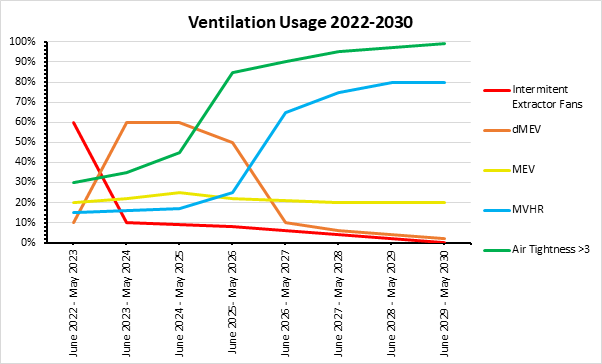
*Graph data from the "Future Homes Hub"
From Intermittent Extraction to dMEV: Enhancing Air Quality and Energy Efficiency
Intermittent Extraction systems have long been favoured for managing indoor air quality. However, their drawback lies in their inability to adjust ventilation rates in real time, leading to potential energy wastage.
The rise of dMEV represents a significant leap forward in ventilation technology. By employing decentralization and individual extraction fans for each room, dMEV offers improved air quality and enhanced energy efficiency. This adaptability ensures optimal ventilation in all living spaces, benefiting both professionals and homeowners.
The Rise of dMEV: Replacing MEV Systems for Greater Flexibility
With the rise of dMEV, industry professionals are shifting their focus towards offering more versatile and customizable solutions.
MEV systems, which use a central fan to extract air from multiple rooms, are expected to be replaced by dMEV due to their superior control and energy efficiency.
Moreover, as the importance of airtightness in housing becomes more apparent, dMEV proves to be a fitting solution to complement well-insulated and air-tight homes. Its ability to adjust ventilation rates based on real-time requirements aligns perfectly with the changing needs of modern energy-efficient housing.
MVHR (Heat Recovery): The Future of Ventilation
MVHR systems are emerging as the ultimate ventilation solution for the future.
These Mechanical Ventilation with Heat Recovery systems recover and reuse heat from outgoing air to preheat incoming fresh air, leading to substantial energy savings and reduced carbon footprint.
By 2027, MVHR is expected to become the preferred choice for ventilation in new constructions and retrofits throughout the UK.
MVHR Benefits and Adoption: Meeting Sustainability Goals
MVHR systems align perfectly with the UK's sustainability goals, promoting energy conservation and reducing greenhouse gas emissions.
As industry professionals play a crucial role in driving MVHR adoption, they will educate consumers about its long-term benefits and its contribution to a greener future.
For homeowners, embracing MVHR means enjoying superior indoor air quality while making a positive impact on the environment.
As MVHR technology matures, it may become a more accessible option for a cleaner and more efficient living environment
The Impact of Air Tightness: Integrating Ventilation Strategies
As the focus on energy efficiency intensifies, air-tight housing becomes a critical consideration.
Modern building methods emphasize airtightness to minimize energy wastage and reduce heating costs. However, this shift towards airtightness poses new challenges to maintaining a healthy indoor environment.
While improved insulation and airtightness enhance energy efficiency, they can limit natural air infiltration, potentially leading to compromised indoor air quality.
To address this challenge, the ventilation industry is evolving to accommodate changing housing trends. Ventilation strategies are being redesigned to suit air-tight homes, with dMEV and MVHR emerging as popular choices.
These technologies offer precise control over ventilation rates, ensuring that fresh air is delivered to living spaces while stale air is efficiently extracted. By integrating ventilation strategies that align with airtightness goals, professionals and homeowners can strike a balance between energy efficiency and maintaining optimal indoor air quality.
Changing from Traditional to Advanced Ventilation
The ventilation landscape in the UK is undergoing a significant transformation.
From traditional Intermittent Extraction to advanced dMEV and MVHR technology, industry professionals and the public have an exciting journey ahead.
By integrating ventilation strategies that align with the growing focus on air-tight housing, we can elevate indoor air quality and contribute to a greener and more sustainable future for the UK.
A Transformation in the UK’s Ventilation Usage The world of ventilation is undergoing a profound shift towards sustainability and energy efficiency, with significant changes on the horizon for the next decade. Traditional Intermittent Extraction systems are gradually giving way to more advanced technologies like dMEV (Decentralized Mechanical Extract Ventilation), which are set to replace MEV […]
Introduction: Electrical safety is of paramount importance in any country, and the United Kingdom (UK) has long been at the forefront of establishing rigorous regulations to ensure the safety and reliability of electrical installations. These regulations are periodically updated to incorporate advancements in technology, industry best practices, and emerging safety concerns. One such crucial document is the "Corrigendum to BS 7671:2018+A2:2022," introducing changes to the UK wiring regulations. In this article, we will explore the critical modifications outlined in this document and discuss their implications for electrical installations in the UK.
- Background: BS 7671:2018+A2:2022 BS 7671, also known as the IET Wiring Regulations, sets the standard for electrical installations in the UK. It provides comprehensive guidance on the design, installation, inspection, and testing of electrical systems. The document ensures the safety of people, livestock, and property against electrical hazards and forms the foundation for compliance with legal obligations.
- Overview of the Corrigendum to BS 7671:2018+A2:2022 The Corrigendum to BS 7671:2018+A2:2022 introduces several changes and updates to enhance electrical safety in the UK. Notable amendments include:
a) Arc Fault Detection Devices (AFDDs): One significant change is the expanded requirement for Arc Fault Detection Devices (AFDDs). AFDDs are designed to detect and disconnect electrical circuits when dangerous arc faults occur, thus preventing potential fire hazards. The corrigendum extends the scope of AFDDs to cover additional areas, such as dwelling units with sleeping accommodations and rooms containing a bathtub or shower. This modification aims to provide increased protection against the risk of fires caused by electrical arcs.
b) Surge Protection Devices (SPDs): The updated regulations now emphasize the importance of Surge Protection Devices (SPDs) in safeguarding electrical installations against transient overvoltages caused by lightning strikes and other electrical disturbances. The corrigendum introduces new requirements for the installation of SPDs in various scenarios, including Type 1, Type 2, and Type 3 devices, to protect against different levels of voltage surges.
c) Electric Vehicle Charging Installations: With the rise in electric vehicles (EVs), the corrigendum addresses the need for specific requirements and safety measures for EV charging installations. It provides guidance on the selection, installation, and protection of EV charging equipment, including the incorporation of residual current devices (RCDs) and the prevention of fire risks associated with charging cables and infrastructure.
- Implications of the Changes: The amendments introduced by the corrigendum have significant implications for electrical contractors, installers, and inspectors in the UK. Some key implications are as follows:
a) Compliance and Training: Professionals involved in electrical installations need to familiarize themselves with the updated regulations and ensure compliance with the latest requirements. Adequate training and upskilling will be essential to adapt to the changes and maintain high standards of electrical safety.
b) Enhanced Fire Safety: The expanded use of AFDDs will improve fire safety in residential settings, as these devices provide additional protection against electrical arc faults. By promptly detecting and disconnecting faulty circuits, AFDDs can reduce the risk of electrical fires, potentially saving lives and property.
c) Surge Protection: The emphasis on SPDs reinforces the importance of protecting electrical installations from transient overvoltages. Installing the appropriate SPDs can safeguard sensitive electronic equipment, minimize the risk of electrical failure, and prevent damage caused by power surges, thereby reducing repair and replacement costs.
d) EV Charging Safety: The inclusion of specific requirements for EV charging installations ensures that the growing demand for electric vehicles is accompanied by safe and reliable charging infrastructure. This will help mitigate the risks associated with EV charging, such as electrical faults, overheating, and fire hazards.
Conclusion: The "Corrigendum to BS 7671:2018+A2:2022" brings important changes to the UK wiring regulations, enhancing electrical safety and addressing emerging concerns. The expanded use of AFDDs, the emphasis on surge protection, and the inclusion of guidelines for EV charging installations are key amendments that will contribute to safer electrical systems across the UK. Electrical professionals must stay informed about these changes, adapt their practices, and ensure compliance to uphold the highest standards of electrical safety.
Citations:
- Institution of Engineering and Technology. (2022). Wiring Regulations BS 7671:2018+A2:2022 Corrigendum. https://www.theiet.org/standards-regulations/bs-7671-wiring-regulations/bs-7671-wiring-regulations-corrigendum/
- Electrical Safety First. (2022). BS 7671:2018+A2:2022 IET Wiring Regulations Corrigendum: Overview of Changes. https://www.electricalsafetyfirst.org.uk/guidance/wiring-regulations/bs-7671-2018-a2-2022-corrigendum-overview-of-changes/
- The IET (Institution of Engineering and Technology). (2022). Amendments to BS 7671:2018+A2:2022 IET Wiring Regulations. https://electrical.theiet.org/bs-7671/amendments/
Introduction: Electrical safety is of paramount importance in any country, and the United Kingdom (UK) has long been at the forefront of establishing rigorous regulations to ensure the safety and reliability of electrical installations. These regulations are periodically updated to incorporate advancements in technology, industry best practices, and emerging safety concerns. One such crucial document […]
Well, it depends of course what you mean by ''type'. We'll split this into three main parts - Impeller type (mainly affects the performance), Operation type (to suit a particular application or setting) and Siting type (wall, ceiling, loft etc..)
Extractor fans are an essential component of ventilation systems in homes and buildings. They help remove stale and polluted air, odours, and excess moisture from indoor spaces, creating a healthy and comfortable environment. However, not all extractor fans are created equal. There are various types of extractor fans, each with its unique features, advantages, and limitations. In this article, we'll explore the different types of extractor fans, including axial, centrifugal, mixed-flow, intermittent, DMEV, CMEV, and heat recovery.
Let's start with the basic types of extractor impellors which affect the distance that the air can be moved and also the volume of air that can be moved.
The three impeller types are:
- Axial
- Centrifugal
- Mixed Flow
Axial Extractor Fans
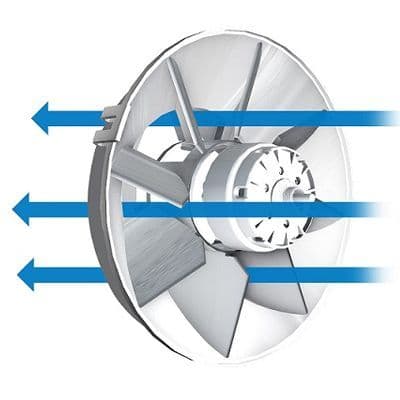
Axial extractor fans are the most common type of extractor fan found in homes and commercial buildings. They move air along the axis of rotation of the fan blade, meaning that the outlet and the inlet are in a straight line.
These fans are ideal for moving large volumes of air over short distances. They use a propeller-like blade to draw air through the fan and expel it out of the building. These fans are relatively simple and cost-effective, making them a popular choice for many ventilation applications. However, they tend to be noisy and less efficient than other types of extractor fans.
Centrifugal Extractor Fans
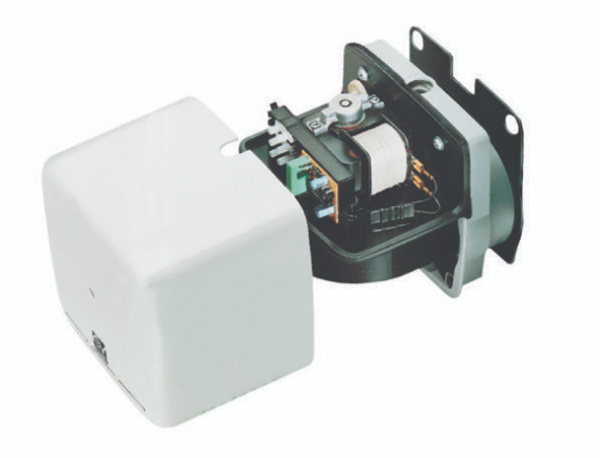
Centrifugal fans develop more pressure and thus can move the air over long distances. This higher pressure is achieved by keeping the axis of rotation of the fan blades radial to the airflow direction. Centrifugal extractor fans use a more complicated design than axial fans. They have a curved blade that rotates around a central hub, creating a centrifugal force that pulls air through the fan and expels it out of the building.
These fans are ideal for moving air over longer ducting runs. However, they are more expensive than axial fans and require more maintenance.
Mixed Flow Extractor Fans
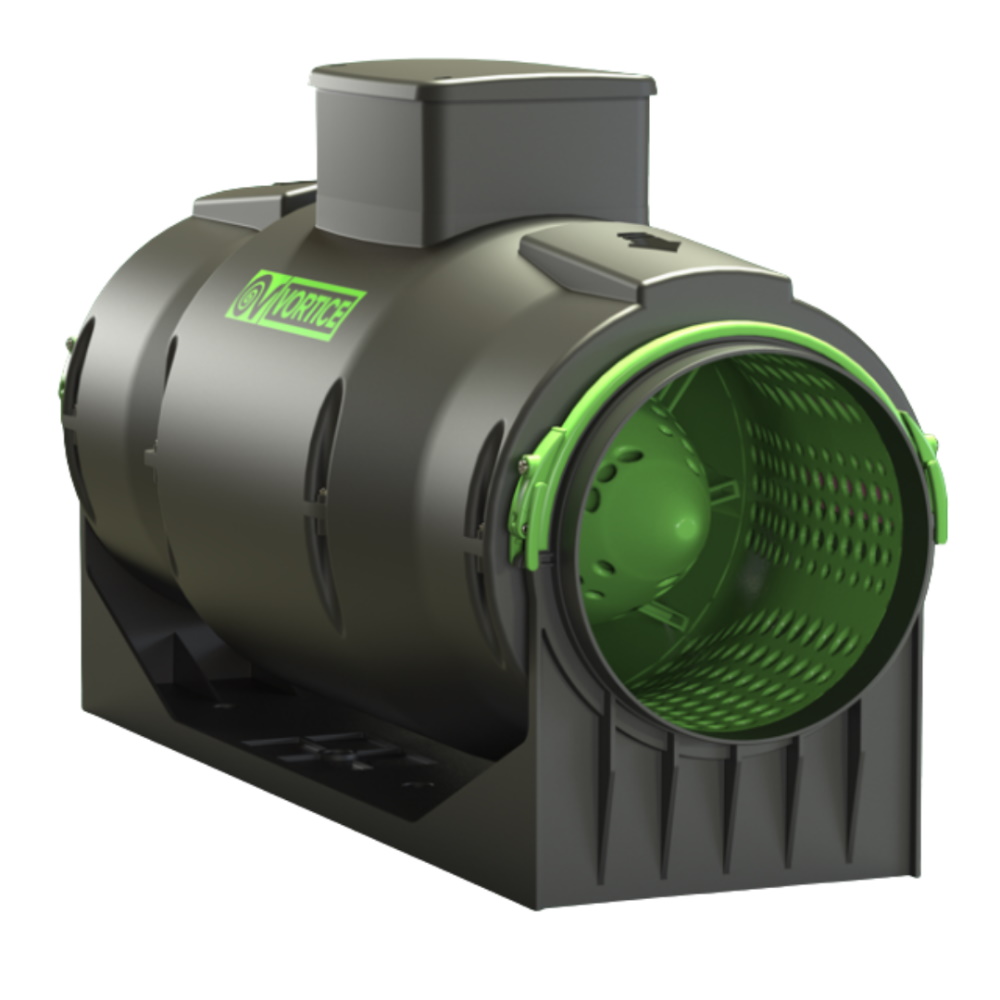
Mixed flow fans combine the benefits of axial and centrifugal fans by using a special type of hybrid impeller blades with both radial and axial elements. The result is a large volume of air moved over a long distance. They use a combination of axial and centrifugal forces to draw air through the fan and expel it out of the building. These fans are more efficient than axial fans but less expensive than centrifugal fans. They also tend to be quieter than axial fans but not as quiet as centrifugal fans.
In That Case, Are Centrifugal Fans Redundant vs Mixed Flow Fans?
Not really.
In general, a centrifugal fan can move air further than a same-size mixed-flow fan. This is because centrifugal fans can generate higher air pressures and are capable of producing more concentrated airflow.
However, the efficiency of the fan system also depends on the specific design of the fan, as well as other factors such as ductwork design, resistance to airflow, and the location of the fan. A well-designed mixed-flow fan can be more efficient and provide better performance than a poorly designed centrifugal fan, even if the centrifugal fan is technically capable of producing higher air pressures.
Ultimately, the best choice of fan type will depend on the specific requirements of the ventilation system, including the size and shape of the space, the level of air resistance, and the desired airflow rate.
Types of extractor fans with regards to 'operation'
Intermittent Extractor Fans
Intermittent fans, also known as on-demand fans, are designed to operate only when required. They are typically installed in bathrooms and kitchens and are activated by a switch or sensor when someone enters the room. Intermittent fans are an excellent choice for energy-efficient ventilation, as they only operate when necessary, reducing energy consumption and noise levels.
Intermittent fans are available in a range of sizes and are suitable for both residential and commercial applications. They are typically less expensive than other types of extractor fans but may require more frequent maintenance.
Most of the domestic fans currently in use in the UK are intermittent.
DMEV Extractor Fans
DMEV (Decentralised Mechanical Extract Ventilation) fans are designed to provide continuous, low-level ventilation throughout a building. They are typically installed in each room, providing individual ventilation control. DMEV fans are an excellent choice for energy-efficient ventilation, as they provide a continuous flow of fresh air without the need for high-powered fans.
DMEV fans are typically more expensive than other types of extractor fans but are more efficient and provide better air quality. They are suitable for both residential and commercial applications.
DMEV (Decentralized Mechanical Extract Ventilation) fans are recommended instead of intermittent fans in the UK because they provide continuous low-level ventilation, while still being energy-efficient. DMEV fans operate continuously, providing a consistent flow of fresh air throughout a building, while intermittent fans only operate when required, based on occupancy.
DMEV fans will usually come with a boost mode, which increases the performance of the fan temporarily when certain conditions are met such as humidity level, movement sensor, remote switching and air quality levels.
In the UK, Building Regulations require that all new dwellings have a ventilation system that provides a continuous flow of fresh air. This is to ensure that indoor air quality is maintained and to prevent the build-up of pollutants and moisture, which can lead to problems such as condensation and mould growth. DMEV fans are designed to meet these requirements, providing a continuous flow of fresh air without the need for high-powered fans, which can be noisy and consume more energy.
Intermittent fans, on the other hand, are designed to operate only when required, typically in response to occupancy or humidity levels. While they are energy-efficient, they may not provide adequate ventilation if occupants do not use the space regularly or if there is a high level of occupancy.
Overall, DMEV fans are recommended in the UK because they provide continuous low-level ventilation, which helps to maintain indoor air quality and prevent moisture-related problems, while still being energy-efficient.
CMEV Extractor Fans
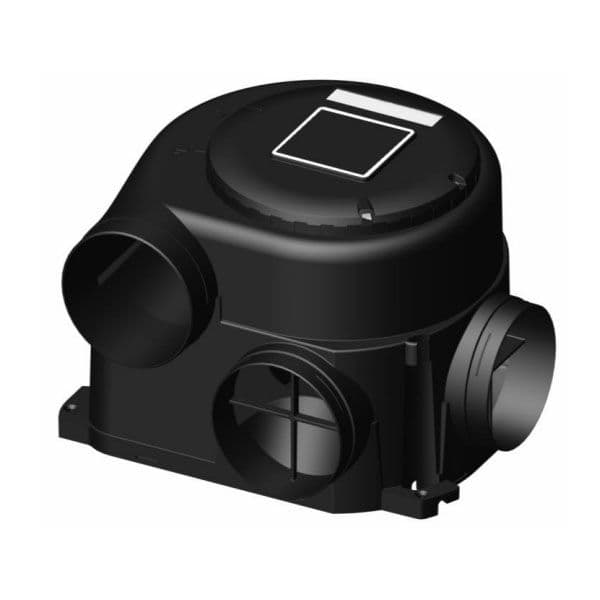
CMEV (Central Mechanical Extract Ventilation) fans are designed to provide continuous, low-level ventilation throughout a building. They are typically installed in a central location, providing ventilation for multiple rooms. CMEV fans are an excellent choice for energy-efficient ventilation, as they provide a continuous flow of fresh air without the need for high-powered fans.
CMEV fans are typically more expensive than intermittent fans, and DMEV fans. They are suitable for residential and commercial applications, particularly in buildings with multiple rooms or open-plan areas.
CMEV fans are available with a range of features, including variable speed controls and humidity sensors. They are more efficient than intermittent fans, as they provide continuous ventilation without the need for manual activation. However, they may require more maintenance than intermittent fans due to their continuous operation.
Heat Recovery Units
Heat recovery fans, also known as HRU (Heat Recovery Units) or MVHR Units ( Mechanical Ventilation with Heat Recovery ), work by extracting stale air from a building and using the heat energy to warm incoming fresh air. This process helps to reduce energy consumption and improve indoor air quality. Heat recovery units are typically installed in buildings with a high level of insulation, as they require a tight seal to operate effectively.
Heat recovery fans are more expensive than other types of extractor fans, but they offer significant energy savings and improved air quality. They are suitable for both residential and commercial applications and are particularly useful in buildings with a high level of insulation or where indoor air quality is a priority.
Centralised Heat Recovery Units
The most popular heat recovery units sit centrally in a dwelling (loft or cupboard) and remove stale warm air from heated rooms such as kitchens, utility rooms and bathrooms. They use the heat from this air to heat fresh air from outside and push the pre-warmed air into the living areas of the home.
Decentralised Heat Recovery Units
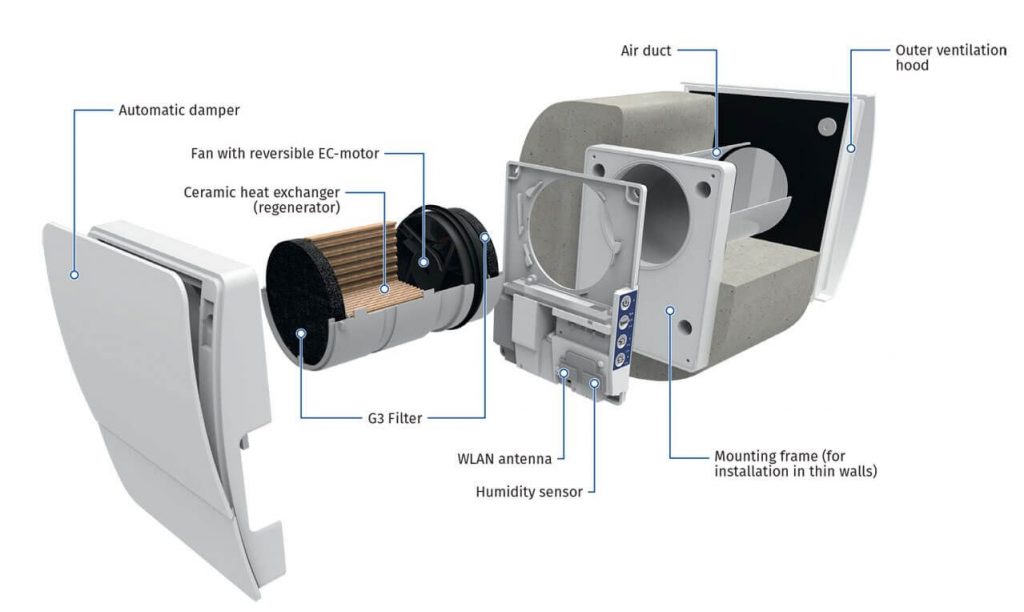
Increasingly popular, the decentralised (or single room) HRU can replace a standard wall fan in any room and uses its built-in heat exchanger to warm incoming air whilst exhausting stale air at the same time.
Siting options for extractor fans
Ceiling Extractor Fans
Ceiling extractor fans are a popular choice for those who prefer a sleek and unobtrusive look. They are particularly useful in open-plan kitchen designs, where a hood or wall-mounted extractor may not be practical. Ceiling extractor fans are mounted in the ceiling and vented to the outside through a duct. They can be operated by a remote control or a switch on the wall. The main benefit of a ceiling extractor fan is that it can be located anywhere in the room, as long as it is close to a power source.
Wall-Mounted Extractor Fans
Wall-mounted extractor fans are the most common type of extractor fan. They are designed to be mounted on an external wall, and the ductwork runs through the wall to the outside. Wall-mounted extractor fans are easy to install and offer a range of styles and sizes to suit different bathroom and kitchen designs. They are usually more affordable than other types of extractor fans.
Window Extractor Fans
Window extractor fans are an excellent option for those who don't have access to an external wall or need a smaller, more discreet option. These fans are designed to be mounted in a window frame and are connected to a duct that runs to the outside. Window extractor fans are relatively easy to install and provide good ventilation for smaller spaces.
Loft Extractor Fans
Loft extractor fans are typically used in buildings with attic spaces. They are installed in the loft and vented to the outside through the roof. Loft extractor fans are useful for larger spaces, as it allows a larger, more powerful fan to be used that could not be used within the room itself. They are more complex to install than other types of extractor fans, and they require access to the loft or roof space.
Chimney Extractor Fans
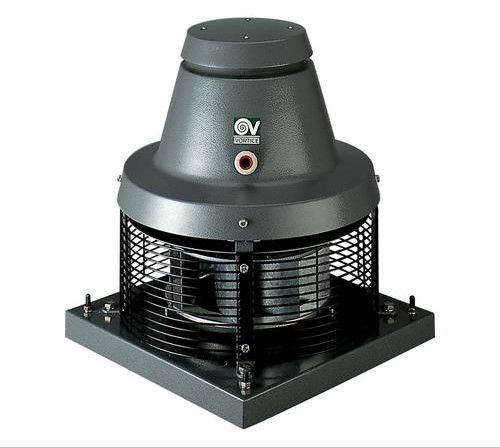
Chimney extractor fans are designed to be mounted on top of a chimney. Chimney extractor fans vent the smoke and fumes from a fireplace. They are typically more expensive than other types of extractor fans, and they definitely require professional installation.
Cooker Hood Extractor Fans
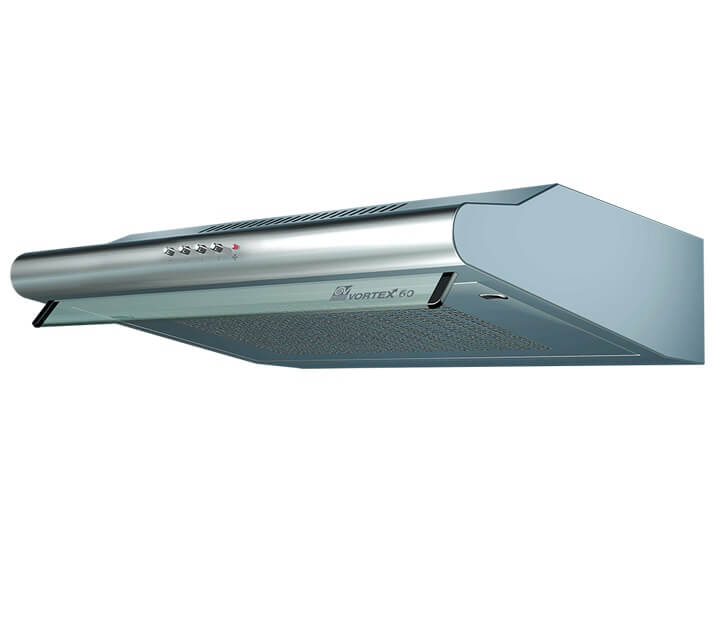
Cooker hood extractor fans are an all-in-one solution that combines a fan with a hood or canopy. They are designed to be mounted above the stove or cooktop, and they offer excellent ventilation and lighting for cooking. Cooker hood extractor fans come in a range of sizes and styles, and they are easy to install. They are also an excellent choice for those who want to save space in their kitchen.
It is also possible to buy a heat recovery unit with a cooker hood built-in or as an additional attachment. These units re-use the heat from cooking to pre-heat the incoming fresh air which can then be redistributed around the home.
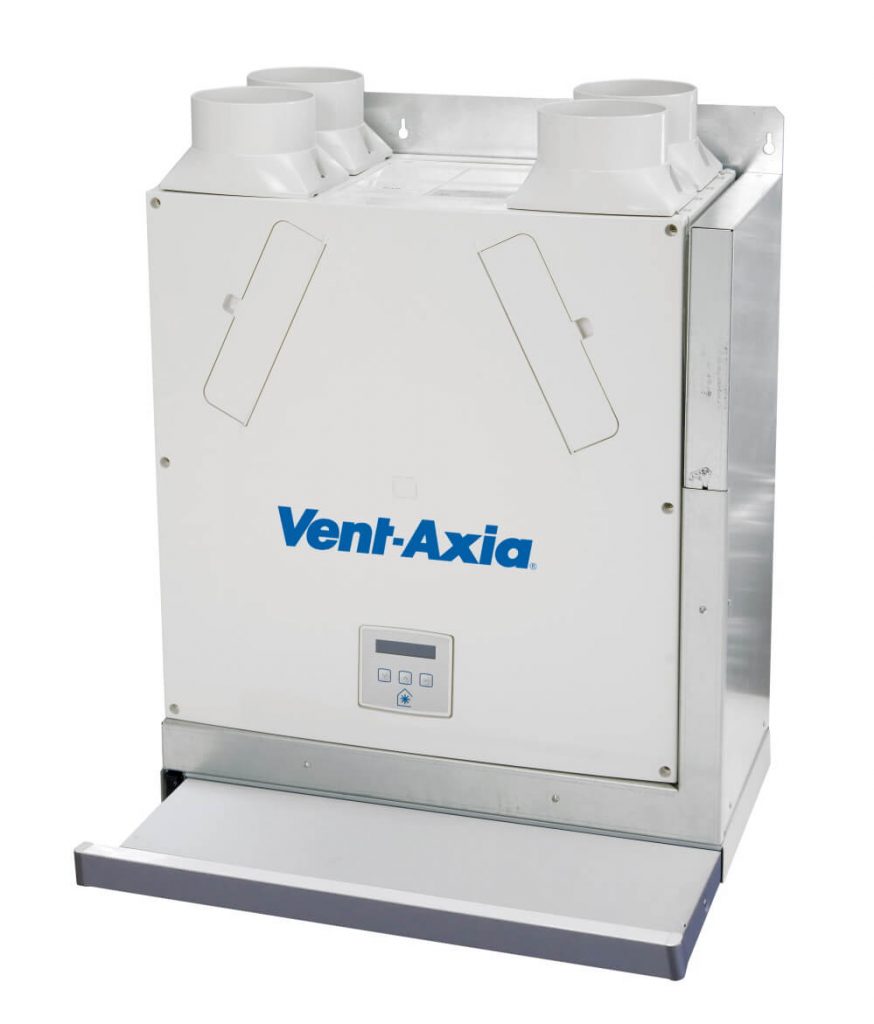
There are several siting options for extractor fans, including ceiling, wall, window, loft, chimney, and cooker hood. The choice of location will depend on the size of the room, the style of the kitchen or bathroom, and the homeowner's personal preferences. It's important to choose the right type of extractor fan to ensure that the space is adequately ventilated and that the appliance complements the overall design of the room.
Overall conclusion on types of extractor fan
In conclusion, extractor fans come in a variety of types, each with its own unique features and benefits. Axial, centrifugal, mixed-flow, intermittent, DMEV, CMEV, and heat recovery fans all offer different levels of efficiency, noise levels, and maintenance requirements. It is important to consider the specific requirements of your building and choose an extractor fan that meets those needs. Proper ventilation is essential for the health and well-being of building occupants, and choosing the right extractor fan can help ensure a healthy and comfortable indoor environment.
Well, it depends of course what you mean by ”type’. We’ll split this into three main parts – Impeller type (mainly affects the performance), Operation type (to suit a particular application or setting) and Siting type (wall, ceiling, loft etc..) Extractor fans are an essential component of ventilation systems in homes and buildings. They help […]
Radon is a naturally occurring gas that is colourless, odourless, and tasteless. It is produced by the breakdown of uranium in soil, rocks, and water. Radon gas can enter buildings, including homes, schools, and workplaces, and can accumulate to levels that are harmful to human health. In this article, we will discuss the most common questions people ask about radon and provide answers to help you protect yourself and your loved ones.

What is radon?
Radon is a radioactive gas that occurs naturally in the environment. It is a product of the decay of uranium and radium, which are present in soil, rocks, and water. Radon gas can be found all over the world, and exposure to high levels of radon can increase the risk of lung cancer. The highest UK radon levels are typically found in areas with higher levels of radium in the underlying rocks and soil, such as parts of Cornwall, Devon, and Derbyshire. However, radon can be found in all parts of the UK
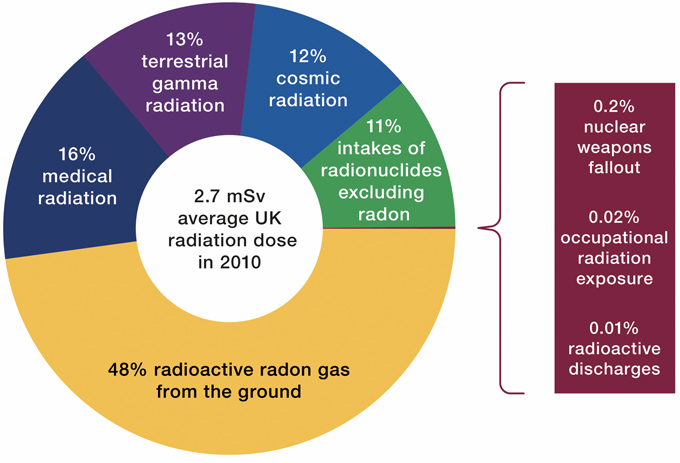
How does radon get into my home?
Radon gas can seep into buildings through cracks and gaps in the foundation, walls, and floors. It can also enter through pipes and drains. Radon can be present in any type of building, regardless of its age or construction.
What are the health effects of radon exposure?
Exposure to high levels of radon gas can increase the risk of lung cancer. Radon is the second leading cause of lung cancer after smoking. According to Public Health England, approximately 1 in 15 homes in the UK have radon levels above the recommended action level of 200 becquerels per cubic metre (Bq/m3).
How do I test my home for radon?
The only way to know if your home has high levels of radon is to test it. Radon testing is simple and inexpensive, and there are several ways to do it. You can purchase a do-it-yourself radon test kit or hire a professional to test your home for you. It's recommended that homeowners and tenants test their homes for radon levels and take appropriate action if necessary, such as installing ventilation systems or other remediation measures. Public Health England provides guidance and advice on radon testing and remediation on their website.
How do I reduce radon levels in my home?
If your home has high levels of radon, there are several ways to reduce the levels. The most effective method is to install a radon mitigation system, which typically involves sealing cracks and gaps in the foundation and installing a vent pipe and fan to draw the radon out of the building and release it into the outdoor air. Other methods include increasing ventilation, sealing sump pumps and drains, and using radon-resistant construction techniques in new homes.
What is the Safe Level of Radon?
Radon levels are measured in becquerels per cubic metre of air (Bq m-3), and the average level found in UK homes is 20 Bq m-3. As long as radon levels remain below 100 Bq m-3, your personal risk of harmful health effects from exposure remains relatively low and does not warrant immediate concern.
Is Radon a Problem in All Homes?
Radon is found in all homes to some degree, but the levels can vary widely depending on the location and construction of the home. Homes that are built on soil with higher levels of uranium and radium are more likely to have higher levels of radon.
What are the Risks of Long-Term Exposure to Radon?
Long-term exposure to radon has been linked to lung cancer. The risk of developing lung cancer increases with the level and duration of exposure. Smokers who are exposed to radon are at an even higher risk of developing lung cancer.
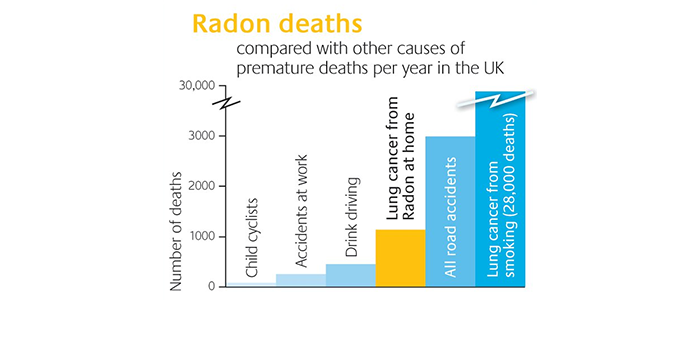
Can Radon Cause Lung Cancer?
Yes, long-term exposure to radon has been linked to lung cancer. Radon is the second leading cause of lung cancer in the UK, after smoking. Radon particles can attach to dust and other airborne particles, which can then be inhaled into the lungs. This can damage the cells in the lungs, which can lead to cancer over time. The risk of developing lung cancer from radon exposure is higher for smokers, but non-smokers can also be at risk. It is important to test your home for radon and take steps to reduce the levels if necessary to protect your health and the health of your loved ones.
The Cure - Radon Mitigation Systems
Radon mitigation systems are designed to reduce the levels of radon in a home. There are several different types of radon mitigation systems, but the most common method is called "sub-slab depressurization". This involves installing a vent pipe and fan system that draws radon out from under the foundation of the home and vents it outside. This system creates a negative pressure zone under the foundation that prevents radon from entering the home.
The installation of a radon mitigation system typically involves drilling a small hole in the foundation of the home to insert a PVC pipe, which is then connected to a fan that is mounted outside of the home. The fan creates a suction that draws the radon gas from beneath the foundation and expels it outside, where it can safely dissipate into the air.
The cost of a radon mitigation system can vary depending on the size of the home, the type of system, and the severity of the radon problem. In general, the cost of a radon mitigation system can range from a few hundred to several thousand pounds. However, the cost of not mitigating radon levels can be much greater in terms of long-term health risks and potential medical expenses.
It is important to note that radon mitigation systems should be installed by a trained professional who is certified in radon mitigation. This will ensure that the system is installed correctly and effectively reduces the radon levels in your home. After the system is installed, it is recommended to re-test your home for radon to ensure that the system is working properly and the radon levels have been reduced to safe levels.
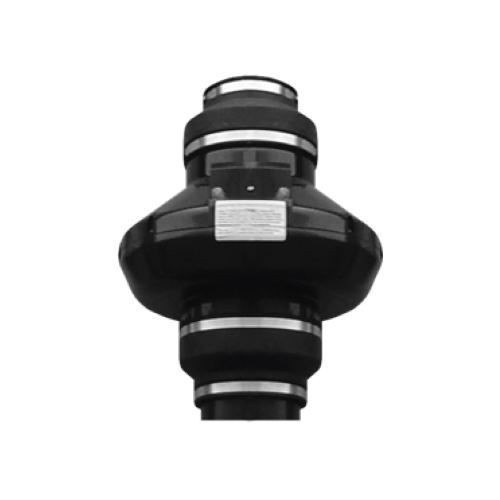
Radon is a naturally occurring gas that is colourless, odourless, and tasteless. It is produced by the breakdown of uranium in soil, rocks, and water. Radon gas can enter buildings, including homes, schools, and workplaces, and can accumulate to levels that are harmful to human health. In this article, we will discuss the most common […]